The keynote wrapped up. Short enough to barely raise blood pressure. But under the surface, the tectonic plates are shifting again.
Google didn’t just bring incremental updates to this year’s developer fest. It brought an army. Agentic AI, smart glasses that don’t want to be called “smart,” and a push to turn every pixel on your screen into an agent with a job.
The stats are dizzying, or boring. Depends on who you ask. 900 million people now use the Gemini assistant. Over 50 billion images generated. Just numbers to justify the pivot. The goal for 2027? AI agents running the show in Search, Gmail, Chrome, YouTube, and Docs. Not as assistants anymore. As managers.
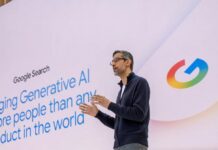
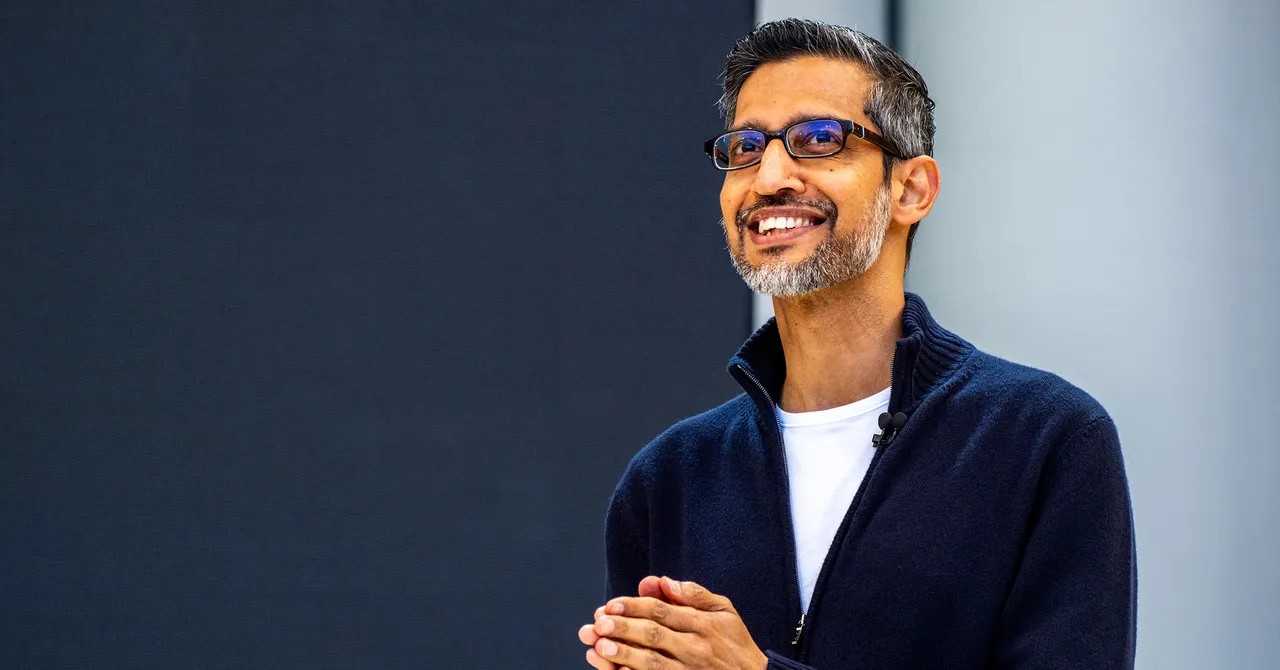
Sundar Pichai used the phrase “hyper progress” yesterday. It sounded optimistic, but also tired. He admitted the industry is waiting for “real value.” Day-to-day utility, not just cool demos.
So, did they deliver? Let’s look.
The Search Box Has Eyes (And A Voice)
Search isn’t just a box where you type keywords anymore. It’s getting an “intelligent” overhaul that starts today.
You ask about black holes? The agent doesn’t just link to Wikipedia. It generates a video. A visual explanation that drops right into the results feed. Contextual answers. Generative content on the fly. It’s trying to keep you on Google because, let’s be honest, leaving feels like losing.
Generative UI joins the party this summer. The layout changes based on the answer. Need news? Get columns. Need a tutorial? Get video. The browser builds the page dynamically.
Maps is already playing along with “Ask Maps.” You treat the map like a chatbot now. “Find me a quiet park near here with good lighting.” It understands nuance. Or pretends to.
Gemini 3.5: Faster, Cheaper, Prettier
Gemini 3.5 drops today. Along with the “Flash” variant. Faster processing. Lower cost for enterprises who want to slap AI onto their legacy systems without breaking the bank.
The app itself got a makeover. Neural Expressive. Pastel backgrounds, new typeface, animated voice chats. It feels less like a utility and more like a social companion. Regional accents included. Now your bot can sound like it’s from Mumbai or Melbourne.
Daily Brief is the morning hit. A digest that pulls your calendar, emails, and slack notifications to prioritize your day before you’ve brushed your teeth. Google tested this in Labs last December. Now it’s going mainstream.
YouTube gets Ask YouTube. Type in “how to fix a leaky faucet.” The agent watches the video. Finds the exact second. Clips it for you. No scrubbing through twenty minutes of intro fluff.
Docs Live is the weird one. Speak your thoughts. Messy, rambling voice notes. An agent turns them into a structured document. Citations added. Grammar fixed. It writes your work while you talk about how tired you are.
And then there are the prices.
$100 for the new AI Ultra tier. $200 for the old Ultra tier. Used to be $250. They’re trying to lock in power users. All of this comes with a disclaimer that hasn’t been printed but is implied everywhere. There will be ads. Eventually.
Video Generation Goes Mainstream
Gemini Omni is the answer to OpenAI’s failed Sora. Or the evolution of it.
Omni takes a selfie video. Your face, front and center. It lets you place yourself in any background. Any style. Walking through a bubble sculpture instead of your living room? Sure. It handles lighting and reflection surprisingly well for a cloud-based render.
Video first. Images and text later. The strategy is clear: make it cinematic. OmniFlash is out now for Pro subscribers. Expect deepfakes for parties, not politics… yet.
The Personal Manager Arrives
Enter Gemini Spark. Google’s answer to the chaotic world of helper bots that might buy you groceries but could also accidentally cancel your mortgage.
Spark lives on your schedule. It knows your rhythm. It pulls files from Drive to help write emails. Plan the neighborhood block party. It handles recurring tasks. The backend runs on Google Cloud, so your device stays asleep while Spark works.
For now, it talks to Google apps. Chrome support is coming in summer. Third-party integrations too. It wants to be your life’s OS.
“We’re in a period of hyper progress, but this is the cycle where people want real value.”
Pichai wasn’t bluffing. Spark is that value attempt. If it doesn’t crash and burn by November, we’re in the age of automated adulthood.
Shopping Without the Headache
Online shopping is currently a maze of tabs and passwords. Google wants to fix it with agentic carts.
Search for products. Google shows listings from multiple retailers. You add items. A universal cart keeps track. Prices drop? It tells you. New color available? Alert.
You can talk to Gemini mid-cart. “Find something cheaper.” “Compare shipping times.” When you’re ready, one click. Secure payment via Google. Or redirect to the store. Your choice. The friction is supposed to be gone. In theory.
Create With Your Brain
Flow tools return with teeth.
Last year, it was experimental. This year, it’s for promo videos, invitations, music clips. Upload a photo. Get sixteen unique video variations that bring it to life. Upload a hummed melody on a phone mic. Flow produces a full track. Country. R&B. Reggae. (Don’t pick reggae.)
It’s democratizing creativity, or diluting it. Depends if you value the tool or the craft. The gap between “I have an idea” and “It exists” has collapsed.
Eyewear That Listens (And Looks)
They want to kill the term “smart glasses.” Call them Intelligent Eyewear. Two models coming from a partnership with Samsung, Warby Parker, and Gentle Monster.
The first batch hits in Fall. Audio only. No screen. Speakers whisper in your ear. Cameras look where you look. Gemini acts as your third eye. Ask what that building is. It answers. Live translation available. Point it at a street sign in Tokyo. Hear it in English.
The screen model is next. Text messages hover in your view. Navigation arrows painted on the sidewalk. You see the world layered with data.
Nano Banana joins the hardware party. AI image generation in real time. See a plain wall? Add AI art over it. View it on the glasses, or cast to your watch. It’s a digital AR layer for your face.
The Aftermath
Android 17 isn’t the star today. It got its news last week. But the ecosystem is tightening.
Every app, every search, every video clip is getting an agent attached to it. They will help. They will also know everything about you.
Is this useful? Yes. Is it invasive? Also yes. The line blurs when your glasses whisper news and your search box predicts your lunch.
We’re not there yet. But by next fall, the glasses land. By summer, Chrome joins Spark. The transition is gradual. Invisible. Until you look around and realize you haven’t typed anything yourself in weeks.