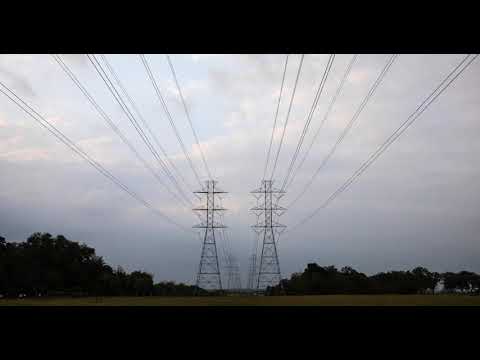
Electricity bills are rapidly increasing across the U.S., driven by surging demand from homes, businesses, and especially data centers fueling the artificial intelligence boom. National retail rates rose by 5% in November alone, outpacing overall inflation. The average household now spends $178 monthly for 1,000 kilowatt-hours—and further increases are likely due to recent severe winter weather.
Long-Term Infrastructure Plans vs. Short-Term Solutions
A bipartisan initiative led by former President Trump proposes constructing new power plants in 13 Eastern states and D.C. to address rising costs. However, energy experts warn that building new infrastructure is a years-long process and won’t provide immediate relief.
This highlights a critical gap: while long-term solutions are necessary, states have levers they can pull now to alleviate the financial strain on consumers.
Immediate Actions States Can Take
State governors, lawmakers, and utility regulators can implement several measures for quicker impact:
- Demand Response Programs: Incentivize residents and businesses to reduce usage during peak hours. This shifts load, lowering wholesale prices.
- Grid Modernization: Upgrade aging infrastructure to reduce transmission losses (energy wasted in delivery).
- Renewable Energy Incentives: Accelerate deployment of cheaper renewables like solar and wind. This hedges against volatile fossil fuel prices.
- Energy Efficiency Standards: Enforce stricter standards for appliances and buildings. Lower demand directly translates to lower bills.
Why This Matters: The AI Factor
The energy demand surge isn’t just about population growth or seasonal weather. Artificial intelligence data centers are consuming unprecedented amounts of electricity. This trend will only accelerate, making long-term energy planning and short-term cost management essential. Failure to adapt risks making electricity unaffordable for many households and hindering economic growth.
The current crisis underscores the urgency for states to adopt both forward-looking infrastructure plans and immediate policy interventions. Without a combined approach, consumers will continue to bear the brunt of rising energy costs.