


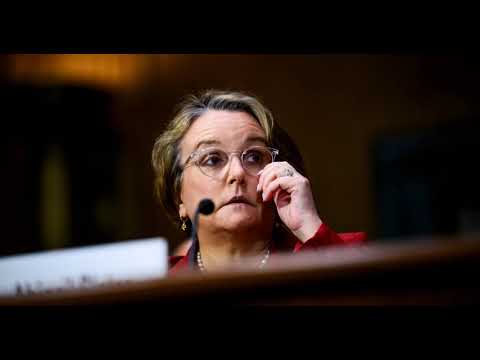
Gail Slater, the Justice Department’s assistant attorney general for antitrust, announced her resignation on Thursday after roughly one year in the position. The departure comes after mounting internal and external pressure regarding the division’s handling of major corporate mergers, particularly in the tech and media sectors.
Tenure Marked by Tension
Slater, a veteran tech and media lawyer, took office in March after a period of confirmation. However, her tenure was quickly overshadowed by growing questions over whether political interference was influencing antitrust enforcement.
Allegations of Interference
In August, a former top deputy within the division suggested that a large tech company had bypassed Slater to secure a favorable outcome in a multibillion-dollar acquisition. This raised concerns about whether corporate lobbying could undermine the Justice Department’s impartiality.
White House Involvement
Further complicating matters, President Trump publicly inserted himself into the regulatory review of Netflix’s bid to acquire Warner Bros. Discovery in December. Trump’s intervention, amid lobbying efforts from both Netflix and Paramount (which also bid for Warner Bros. Discovery), raised fears that political considerations would outweigh standard antitrust scrutiny. The former president later stated he would step back from direct involvement, deferring to the Justice Department’s decision-making.
Implications and Context
Slater’s resignation signals a broader trend of political pressure on antitrust enforcement. The administration’s willingness to negotiate with large firms clashes with traditional antitrust principles designed to prevent monopolies and promote competition. The fact that even the White House weighed in on a major merger raises questions about whether the Justice Department can operate independently when high-stakes deals are at play.
Slater left her position with a statement expressing both “great sadness and abiding hope,” suggesting she may have felt constrained by external forces. Her abrupt exit underscores the challenges of maintaining antitrust independence in an era where corporate influence and political intervention are increasingly prominent.
Her departure leaves a vacancy at a critical time for antitrust enforcement, as the Justice Department continues to grapple with the growing dominance of tech giants and the evolving landscape of media consolidation.


