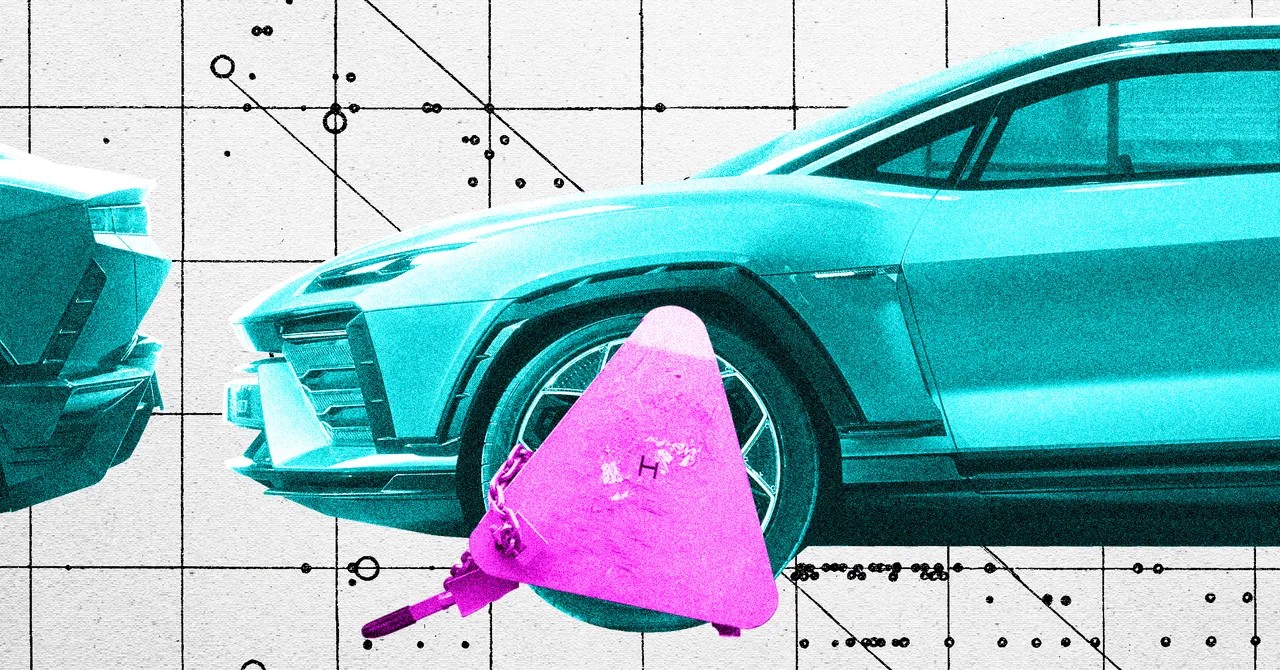
Italian supercar manufacturer Lamborghini has reversed course on its all-electric future, shelving plans for the highly anticipated Lanzador EV. The decision, confirmed by CEO Stephan Winkelmann, reflects a broader slowdown in demand for luxury electric vehicles, a trend impacting several high-end automakers.
Market Resistance to High-End EVs
Lamborghini’s shift comes after assessing dealer feedback and customer data, which revealed “flattening” and near-zero acceptance of full EVs among its clientele. While the company remains capable of EV production, Winkelmann stated that the luxury market is not yet ready for a fully electric Lamborghini. Instead, the brand will prioritize plug-in hybrids, with all four Lamborghini models slated to be hybrid by the end of the decade. The first of these hybrid models will arrive in 2029.
This isn’t an isolated case. Bentley has delayed its EV rollout by five years, citing weak charging infrastructure and poor demand. Aston Martin has pushed back its first all-electric vehicle launch, and Porsche has scaled back electrification efforts due to declining profits. Mercedes-Benz has also adjusted its strategy, keeping gas and hybrid cars on sale longer than initially planned, acknowledging slower-than-expected EV adoption.
Global EV Trends: A Tale of Two Markets
The luxury EV slump contrasts sharply with the overall global electric vehicle market, which saw a 20% increase in registrations in 2025, totaling 20.7 million units. China led the growth with 12.9 million registrations (up 17%), followed by Europe with 4.3 million (up 33%). The US, however, experienced flat growth, while Tesla saw a 9% decline in deliveries.
According to Car Industry Analysis researcher Felipe Munoz, luxury EV sales in Europe are particularly weak. Dataforce research shows that models like the Lucid Air (down 49%) and Rolls-Royce Spectre (down 44%) have experienced significant sales declines, with only the BMW i7 showing growth (up 14%).
Depreciation and Technological Concerns
Lamborghini’s decision is partly influenced by concerns over depreciation and rapid technological obsolescence in high-end EVs. Some models have lost up to half their value within a year, and customers worry that current EV technology will become outdated within a decade. Charging times and resale value also play a role in consumer hesitation.
Ferrari’s Gamble and Future Outlook
The pullback from luxury EVs raises questions about Ferrari’s upcoming all-electric Luce model. However, automotive analyst Daniele Ministeri suggests that Ferrari’s successful introduction of the Purosangue SUV demonstrates the brand’s ability to overcome initial criticism and achieve commercial success.
Lamborghini maintains its decision is independent of competitors’ strategies, emphasizing the need for a responsible approach tailored to its own market analysis. The shift underscores the challenges faced by luxury automakers attempting to navigate the transition to electric vehicles, highlighting the need for careful consideration of consumer preferences and technological advancements.
The current situation suggests that while the EV market continues to grow overall, high-end electric vehicles face significant headwinds, requiring manufacturers to adjust their strategies and address consumer concerns regarding value, technology, and infrastructure.