Oil prices jumped sharply Monday following escalating military actions involving the United States and Israel against Iran, with some projections indicating a potential rise above $100 per barrel. The situation is volatile, and experts emphasize that the White House’s actions in the coming days—alongside Iran’s counter-response and the behavior of other oil-producing nations—will dictate how high prices ultimately climb.
The price of Brent crude rose nearly 13% overnight, hitting almost $80 a barrel. While markets had already priced in some risk due to U.S. aggression towards Iran, the chaotic nature of the initial attacks—including the death of Iran’s supreme leader—has introduced significant uncertainty. According to Tyson Slocum of Public Citizen, the U.S. strategy appears to have been to eliminate key figures and then rely on unpredictable outcomes.
Iran’s Strategic Control of Oil Routes
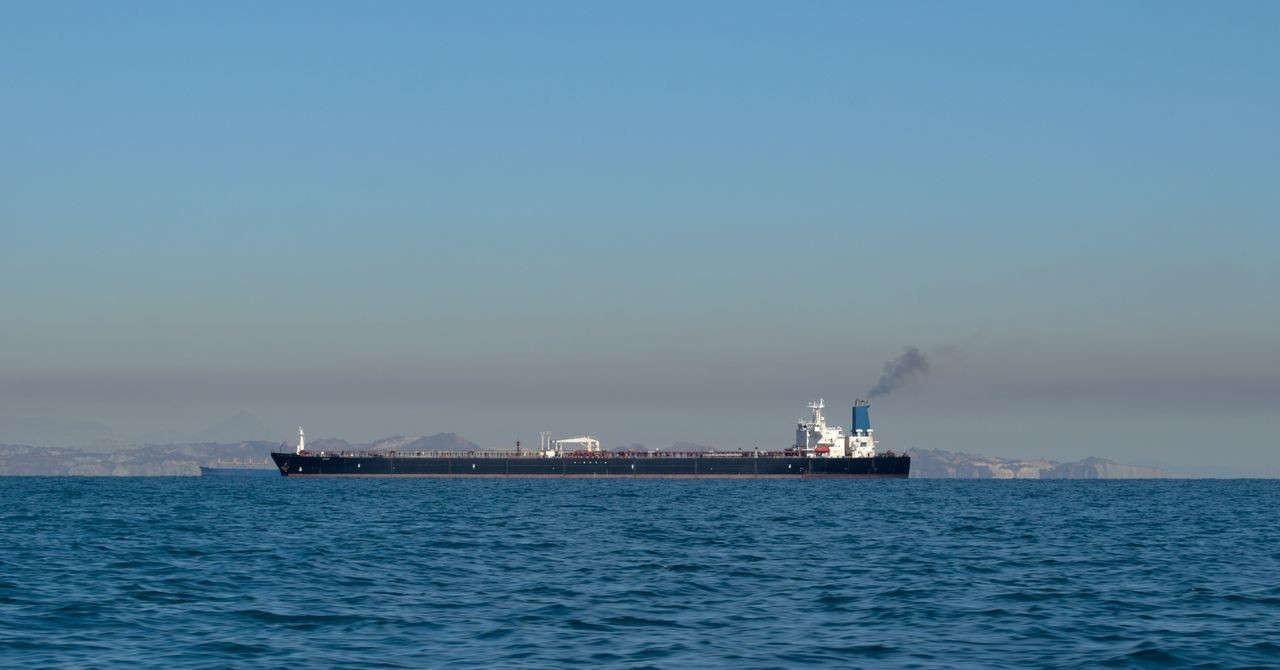
Iran controls the Strait of Hormuz, a critical global shipping lane through which roughly 20% of the world’s oil passes. Major OPEC members depend almost entirely on this strait for exports. Oil market researcher Rory Johnston notes that closure of the Strait of Hormuz is a long-feared scenario. Unlike typical OPEC responses to crises (increasing production), here, the disruption is occurring in the heart of the supply chain.
Traffic through the strait has already decreased dramatically, with insurance rates soaring and ships being targeted by drone strikes. The current situation appears to be a “voluntary closure” rather than an official shutdown, but the effect is the same.
Escalating Attacks and Disruptions
The situation worsened Monday with reports of drone strikes targeting Saudi refineries and Qatari LNG facilities, causing production shutdowns and driving up European gas prices. Continued attacks of this severity could severely impact oil prices, potentially pushing them to triple-digit levels. Clayton Seigle of the Center for Strategic and International Studies warns that Iran may leverage energy as a weapon if it becomes increasingly desperate.
Impact on Global Markets and U.S. Producers
The disruptions will likely affect not only oil but also products that rely on fossil fuels, such as plastics and fertilizers. While U.S. oil producers have struggled with low prices and unpredictable policies, a sudden surge could benefit them. However, they will need to assess long-term price forecasts before stabilizing production.
Political Implications and Consumer Costs
The timing of these attacks is particularly sensitive, given the midterm election year and already-high energy costs. Democrats are already strategizing how to address potential price increases, with gasoline prices potentially rising this week.
Trump’s Role in De-Escalation or Prolongation
Analysts agree that the White House’s response—and ultimately, President Trump’s decision-making—will determine the trajectory of the conflict and oil prices. The key questions are whether Iran will seek a quick resolution, whether Gulf states will join the offensive, and whether Trump will signal a swift wind-down or prolonged warfare.
The situation is unpredictable, and the longer the conflict continues, the more likely oil prices are to remain elevated. The initial U.S. attacks, combined with Iran’s potential retaliation, may have a lasting impact on global energy markets.