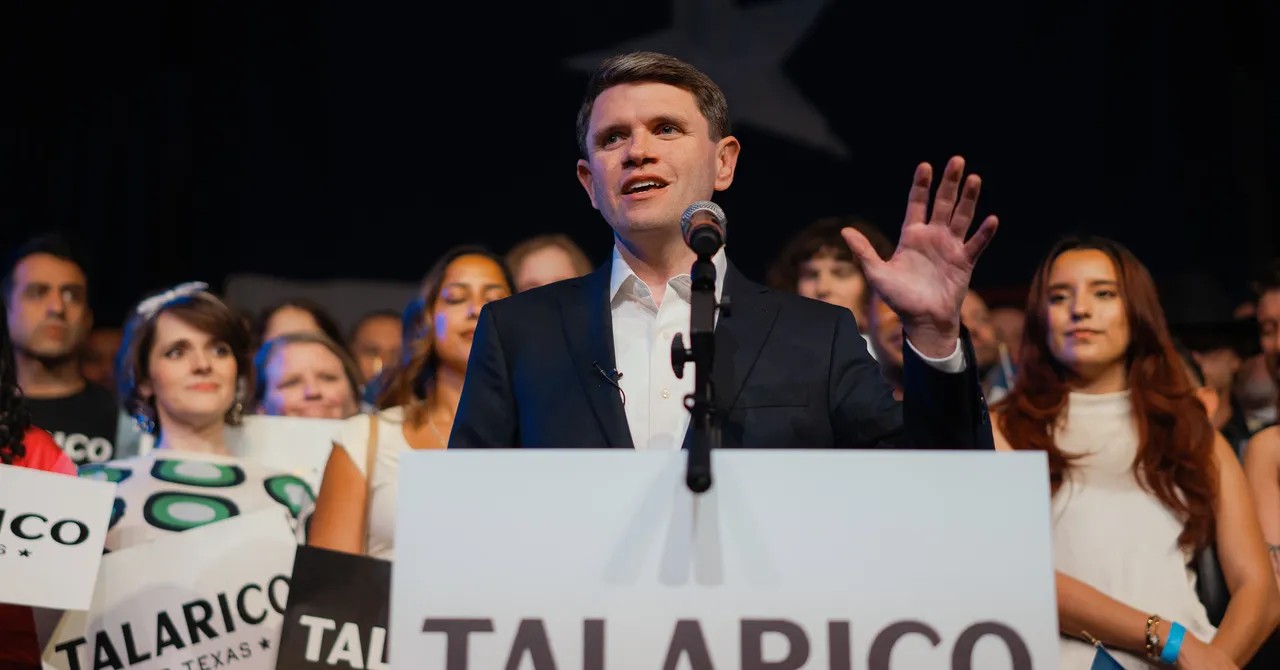
The recent Texas Senate primary between James Talarico and Jasmine Crockett wasn’t just about two candidates; it was a preview of how digital creators are reshaping political warfare. Both politicians boast substantial social media followings – Talarico with 1.6 million, Crockett with 2.6 million on TikTok – but the real fight unfolded around them, revealing the increasingly chaotic role of influencers in modern campaigns.
The Rise of Digital Proxies
The candidates employed contrasting online strategies. Crockett leaned into viral confrontation, famously calling out Marjorie Taylor Greene and dismissing Elon Musk, while Talarico cultivated a populist, sermon-like presence, even appearing on the Joe Rogan Experience to maximize reach. However, the most impactful moments weren’t always controlled by the campaigns themselves.
Outside figures ignited conflicts. The hosts of “Las Culturistas” faced backlash after discouraging donations to Crockett, forcing an apology. Later, a Dallas-based creator, Morgan Thompson, went viral claiming Talarico had disparaged Colin Allred with racial undertones. The Talarico campaign called it a “mischaracterization,” but the damage was done.
The Unmanageable Influencer Ecosystem
This chaos highlights a growing problem: campaigns are increasingly reliant on creators they can barely control. Working with influencers is now standard practice in both parties, but relationships are often loose and unpredictable.
As Kyle Tharp of Chaotic Era newsletter notes, campaigns struggle with basic logistics: “Do I give them VIP access? Do I screen their questions? Or do I just let them riff?” The risks are clear. Donald Trump’s 2024 campaign relied on creators to reach young voters, only to see many turn against him when he failed to deliver on promises related to the Jeffrey Epstein case. Comedian Andrew Schulz, once a supporter, became a vocal critic.
The Future of Political Influence
The Texas primary and these broader trends raise a critical question: what role should creators play in campaigns, and how can this be managed? The reality is that digital influence is no longer a side effect of politics; it is the battleground. Campaigns must adapt to a world where rogue influencers, viral accusations, and unpredictable endorsements can swing elections.
The era of carefully controlled messaging is over. Political success now depends on navigating a chaotic, creator-driven landscape where loyalty is fleeting, and a single tweet can make or break a campaign.