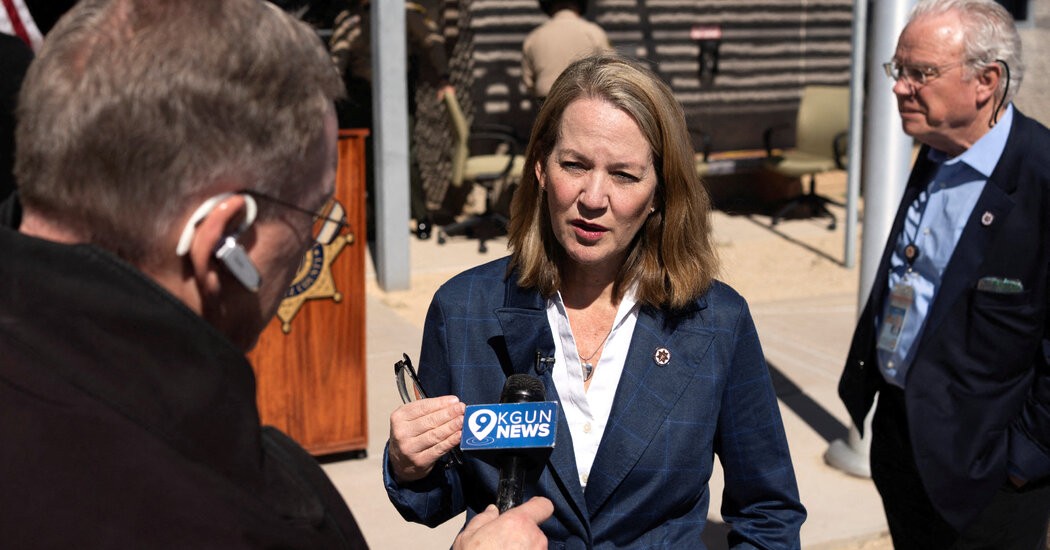
Arizona’s Attorney General, Kris Mayes, has filed criminal charges against Kalshi, a rapidly expanding prediction market platform, accusing it of operating an illegal gambling business within the state. The move escalates a growing conflict between states and websites that offer bets on everything from sports to elections.
The Allegations: Illegal Gambling and Election Betting
The charges allege that Kalshi allowed Arizona residents to wager on professional and college sporting events without proper licensing, effectively running an unlicensed gambling operation. More seriously, the state has charged Kalshi with four counts of election wagering – a direct violation of Arizona’s laws prohibiting betting on electoral outcomes.
“Kalshi may brand itself as a ‘prediction market,’ but what it’s actually doing is running an illegal gambling operation and taking bets on Arizona elections, both of which violate Arizona law,” stated Attorney General Mayes.
Kalshi disputes these claims, dismissing them as “meritless” and characterizing the charges as a political tactic. The company has preemptively filed a federal lawsuit against Arizona in an attempt to halt the prosecution.
Escalating Legal Battles
This isn’t an isolated incident. In the past three weeks, Kalshi has filed lawsuits against Iowa and Utah as well, suggesting a pattern of resisting state regulations rather than complying with them. Mayes accuses the company of using federal lawsuits to evade accountability, highlighting a broader trend of prediction markets challenging state authority.
The Rise of Prediction Markets
Kalshi and similar platforms – like Polymarket – have experienced explosive growth, offering bets on nearly any conceivable event. What began as a niche activity among political enthusiasts wagering on presidential elections has quickly expanded into mainstream American politics and culture.
However, the industry faces scrutiny over concerns about market manipulation, insider trading, and the potential to fuel increased gambling behavior. The landscape changed dramatically in 2018 when the Supreme Court struck down the federal ban on sports betting, opening the door for wider legalization but also creating a regulatory gray area.
Kalshi argues that its platform functions more like a financial marketplace than a gambling site, asserting that oversight should fall under the jurisdiction of the federal Commodity Futures Trading Commission.
The legal showdown between Arizona and Kalshi underscores a fundamental question: whether prediction markets should be treated as financial instruments or illegal gambling operations. The outcome of this case, along with others unfolding across the US, will likely shape the future of these emerging platforms.