YouTube has solidified its position as the dominant video platform in the United States, particularly among younger audiences. Over 90% of American teenagers now use YouTube, and its reach extends beyond traditional viewing habits, with connected television becoming the primary way many Americans consume its content. This shift isn’t just about what people watch – creators like MrBeast and podcasters like Joe Rogan have reshaped the landscape – but how they watch, thanks to interactive features and the platform’s addictive design.
However, this dominance comes with increasing scrutiny. A recent California jury found YouTube (alongside Meta) negligent in harming a teenager’s mental health through its engagement-maximizing features. While YouTube plans to appeal, the verdict underscores growing concerns about the platform’s impact on its users, especially children.
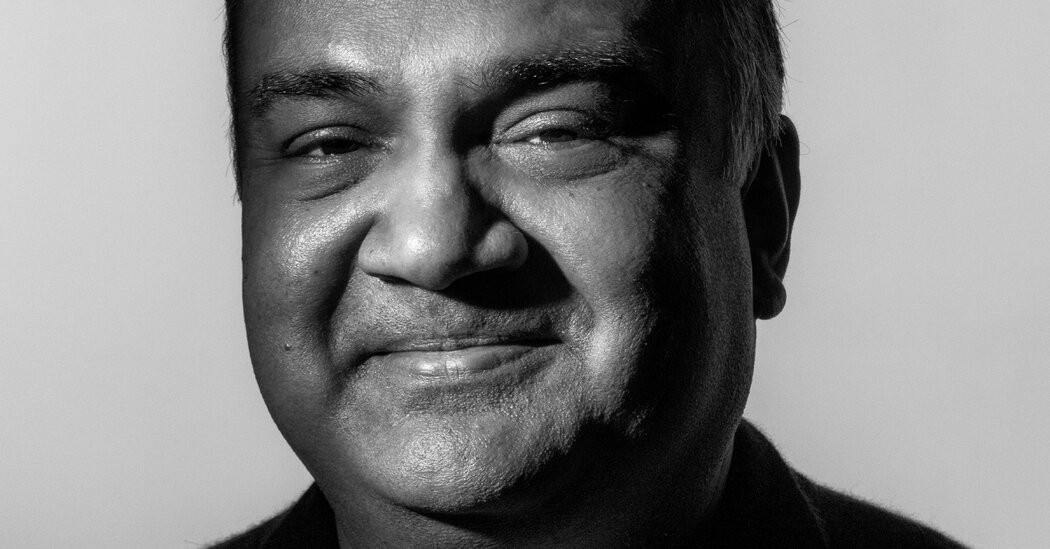
In a recent interview with Neal Mohan, YouTube’s CEO since 2023, the discussion centered on these challenges and the platform’s future. Mohan acknowledged the responsibility that comes with YouTube’s power, but also defended the platform’s value to creators. He argued that despite competitors like Netflix, Meta, and Apple actively attempting to poach talent, YouTube remains the central hub for successful content creators.
The key to success, according to Mohan, lies in authenticity. Creators who resonate with audiences by being genuine are the ones who thrive.
“The people that are watching you on a television screen or on their mobile phones, the one thing they can suss out really quickly is if it’s truly authentic.”
This sentiment is reinforced by the fact that creators, even those tempted by offers from competitors, consistently return to YouTube, recognizing it as their primary platform.
The platform’s influence is undeniable, as evidenced by the fact that other companies are actively trying to replicate its success. This confirms YouTube’s role as a cultural center, but also highlights its responsibility to address the growing concerns surrounding its impact on mental health and user well-being.
Ultimately, YouTube’s future hinges on balancing its commercial interests with its social responsibilities. The company must navigate the tension between engagement-driven algorithms and the potential harm they can cause, while continuing to attract and retain the creators who fuel its dominance.