


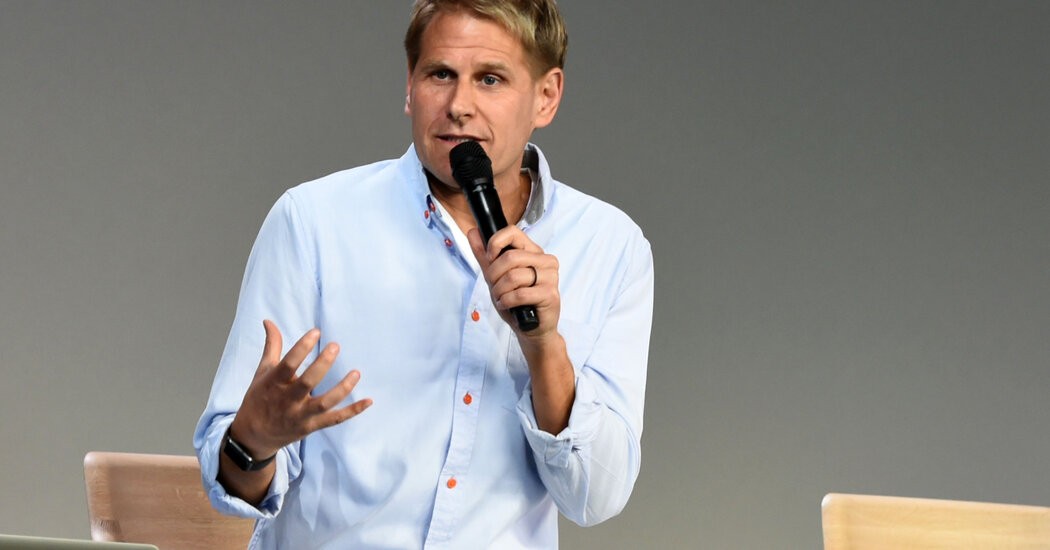
Jay Blahnik, Apple’s long-time vice president of fitness technologies, will retire in July after a 13-year career marked by accusations of a toxic work environment and sexual harassment. The departure follows years of reported misconduct, including multiple employee mental health crises and legal disputes.
A Legacy Marred by Allegations
Blahnik joined Apple in 2013, playing a key role in developing core features of the Apple Watch, most notably the iconic “activity rings” that track movement, exercise, and calorie burn. He later oversaw Apple Fitness+, the subscription-based workout service. However, his tenure was increasingly shadowed by complaints from employees who described him as verbally abusive, manipulative, and sexually inappropriate.
Growing Concerns and Internal Conflicts
Over the past two years, over 10 employees from Blahnik’s roughly 100-person team required extended medical leave for mental health reasons. These issues prompted an internal Apple investigation, which concluded with no findings of wrongdoing, allowing Blahnik to remain in his leadership position.
Despite this, legal challenges persist. One sexual harassment complaint was settled out of court, and another lawsuit filed by employee Mandana Mofidi remains active, alleging bullying behavior. The trial is scheduled for next year. Apple has declined to comment on the situation or announce a successor for Blahnik.
A Carefully Managed Exit
Blahnik’s retirement was announced in an internal email stating he wishes to “spend time with his family and make an exciting move to New York City.” The timing suggests a carefully managed exit by Apple, which has historically shielded high-profile executives from severe misconduct allegations.
The case highlights the ongoing tension between corporate success and the well-being of employees. Apple’s handling of these allegations raises questions about internal accountability and the protection of leadership at all costs.
This situation underscores the broader trend of workplace misconduct being swept under the rug in high-growth tech environments, where the pursuit of innovation sometimes overshadows ethical considerations. The outcome of Mofidi’s lawsuit will be crucial in determining whether Apple faces further scrutiny.


