


Hollywood is embracing artificial intelligence with a fervor bordering on religious zeal, yet the industry’s leaders are grappling with a fundamental question: can machines replicate taste? Recent discussions at the Runway AI Summit in Manhattan revealed a disconnect between the breathless promotion of AI as a revolutionary force and the practical concerns about its impact on creative quality.
The Cult of “Generate”
The event, held shortly after OpenAI shuttered its Sora video app (a setback to early predictions of AI-driven Hollywood disruption), was dominated by executives framing AI as a paradigm shift akin to the discovery of fire. Runway, a leading AI company, even distributed T-shirts urging attendees to “Thank You For Generating With Us!” – a blatant attempt to popularize the term as a verb. This reflects a broader trend: the relentless push to normalize AI as “magic,” as Runway CEO Cristóbal Valenzuela put it, rather than a tool with limitations.
The Anxiety Beneath the Hype
The insistence on AI’s transformative power feels particularly forced given recent setbacks and growing anxieties. OpenAI’s Sora collapse, protests against the energy demands of AI data centers, and the looming threat to creative jobs were largely glossed over. Executives like Paramount’s Phil Wiser, despite cautioning against “hype,” immediately positioned generative AI among the greatest technological advancements ever – alongside the printing press and fire itself.
The Illusion of Human Creativity
The core argument presented at the summit was that AI augments human creativity, not replaces it. Electronic Arts’ Mihir Vaidya and Adobe’s Hannah Elsakr emphasized that AI cannot generate original ideas; it merely amplifies human input. This overlooks a critical point: creativity isn’t just about imagination; it’s about the process of creation – the struggle, the experimentation, the refinement that comes from hands-on work.
The Flaws in the Machine
Despite the hype, many AI-generated demos were visibly synthetic and unconvincing. Coca-Cola’s AI-generated holiday ad, touted by Silverside founder Rob Wrubel, was reportedly widely mocked, a detail conveniently omitted from the summit’s narrative. This raises a simple question: if the results are often subpar, why the relentless celebration of the technology?
The Importance of Craft
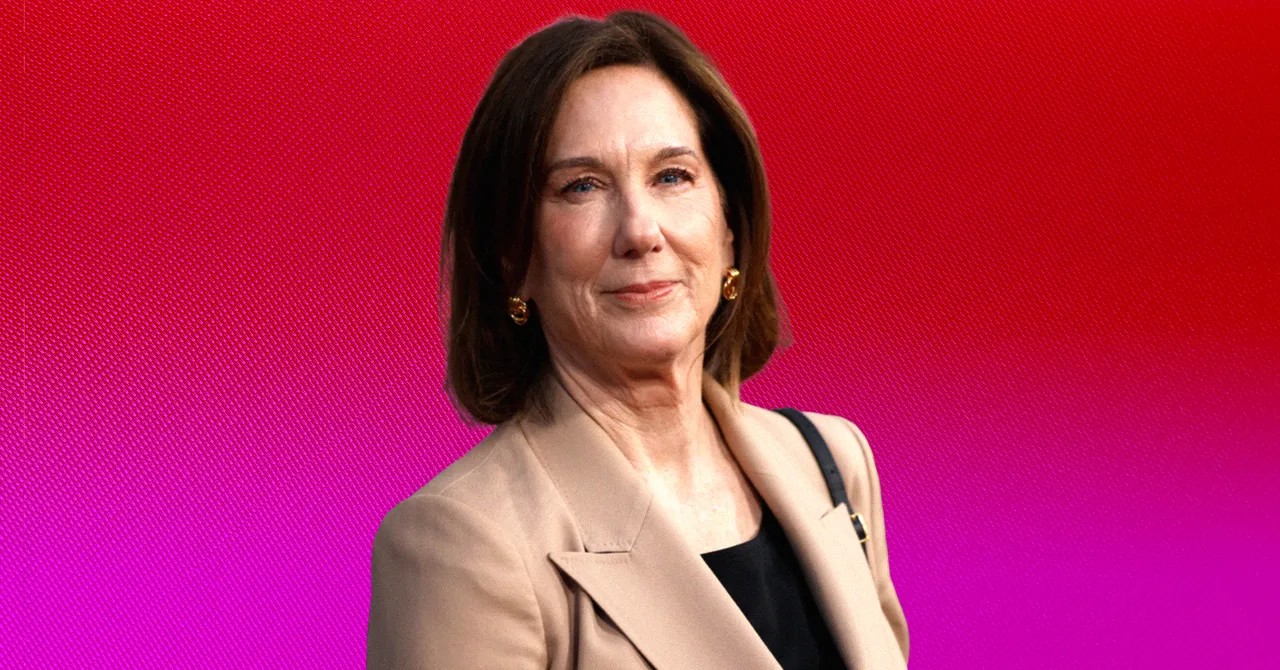
Kathleen Kennedy, former head of Lucasfilm, offered a rare dose of reality. She recounted how 3D-printed props on a Star Wars production failed after a few takes because they lacked the durability and nuance of traditionally crafted props. This underscores a fundamental truth: technological shortcuts cannot replace the expertise and intuition gained through years of practical experience.
In conclusion, Hollywood’s AI frenzy is driven more by marketing than by genuine progress. The industry is racing to embrace a tool that promises efficiency but struggles to deliver quality, while ignoring the real-world consequences of automation. The push to “generate” isn’t about innovation; it’s about control, and the relentless pursuit of the next big thing.


