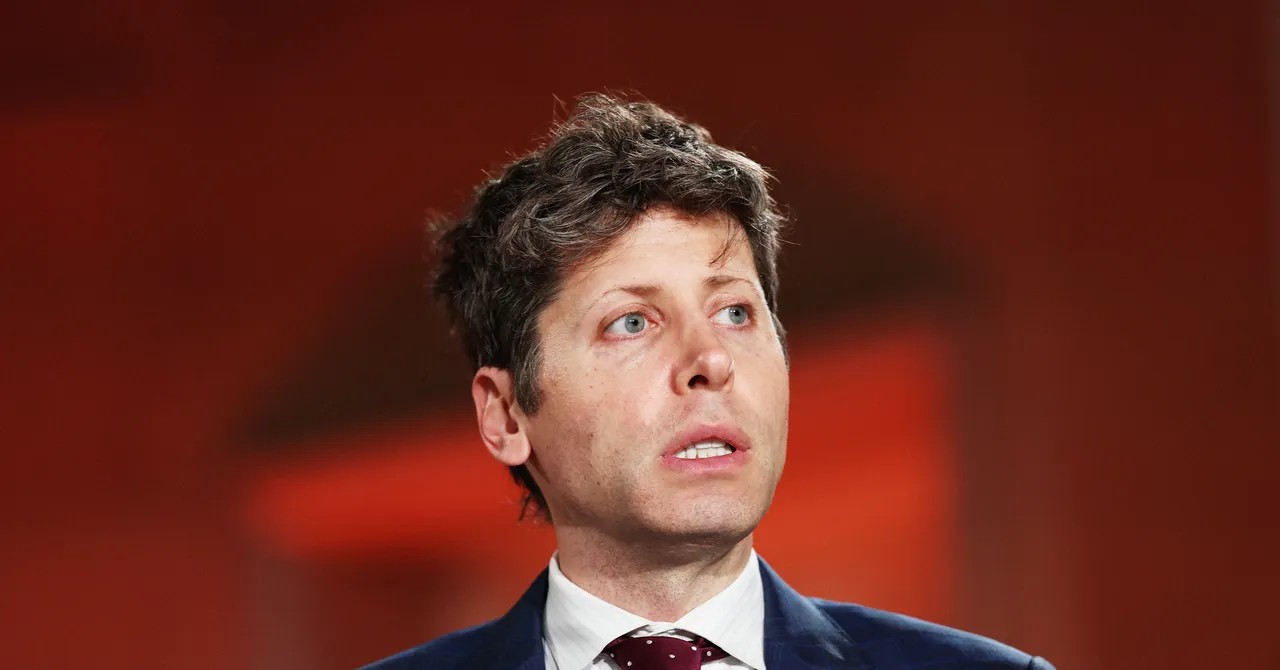
OpenAI, the company behind ChatGPT and other leading AI technologies, has acquired The Best Political News (TBPN), a popular Silicon Valley-based livestream show. The move comes as OpenAI faces growing public scrutiny and negative press, including a surge in downloads for competitor Anthropic’s Claude following a controversial Department of Defense deal, and the rise of the “QuitGPT” movement among users.
Strategic Communications Play
TBPN, founded in 2024, has gained traction by offering a fast-paced, tech-friendly take on industry news and social media trends. The show’s hosts, John Coogan and Jordi Hays, interview tech executives, react to viral content, and have cultivated a loyal following, particularly among OpenAI’s own staff and AI researchers. While TBPN generated $5 million in ad revenue last year and is projected to reach $30 million by 2026, OpenAI does not anticipate significant financial returns from the acquisition. Instead, the company views TBPN as a tool to shape public discourse around AI.
OpenAI CEO Sam Altman has stated that the company intends to allow TBPN to operate with editorial independence, but the show will report directly to OpenAI’s VP of global affairs, Chris Lehane. Lehane’s team has faced scrutiny in the past for its handling of negative economic impacts related to AI.
Silicon Valley Trend: Tech Firms Buying Media
OpenAI’s purchase of TBPN follows a pattern set by other tech giants. Jeff Bezos owns The Washington Post, Marc Benioff acquired Time magazine, and Robinhood purchased MarketSnacks. These acquisitions raise questions about editorial independence and the potential for biased coverage. OpenAI has assured staff that TBPN will retain its autonomy, but the move underscores a growing trend of tech companies seeking direct control over their public narrative.
OpenAI’s Broader Communications Strategy
The acquisition is part of OpenAI’s broader effort to manage its public image and counter negative perceptions. OpenAI CEO of applications, Fidji Simo, emphasized that the company is “not a typical” one, and that shaping the conversation around AI is a “responsibility” given the technology’s transformative potential. OpenAI’s increased political spending, as cited by president Greg Brockman, further demonstrates the company’s commitment to influencing public opinion.
OpenAI is not alone in this pursuit. Similar to how Amazon marks down Google’s flagship products and how tech companies work to neuter right-to-repair laws in states like Colorado, OpenAI is aggressively controlling its own narrative.
The acquisition of TBPN signals a shift in how tech companies engage with media: instead of simply reacting to coverage, they are now actively acquiring influence over it. This move highlights the growing tension between tech innovation and public perception, particularly in a field as rapidly evolving and potentially disruptive as artificial intelligence.