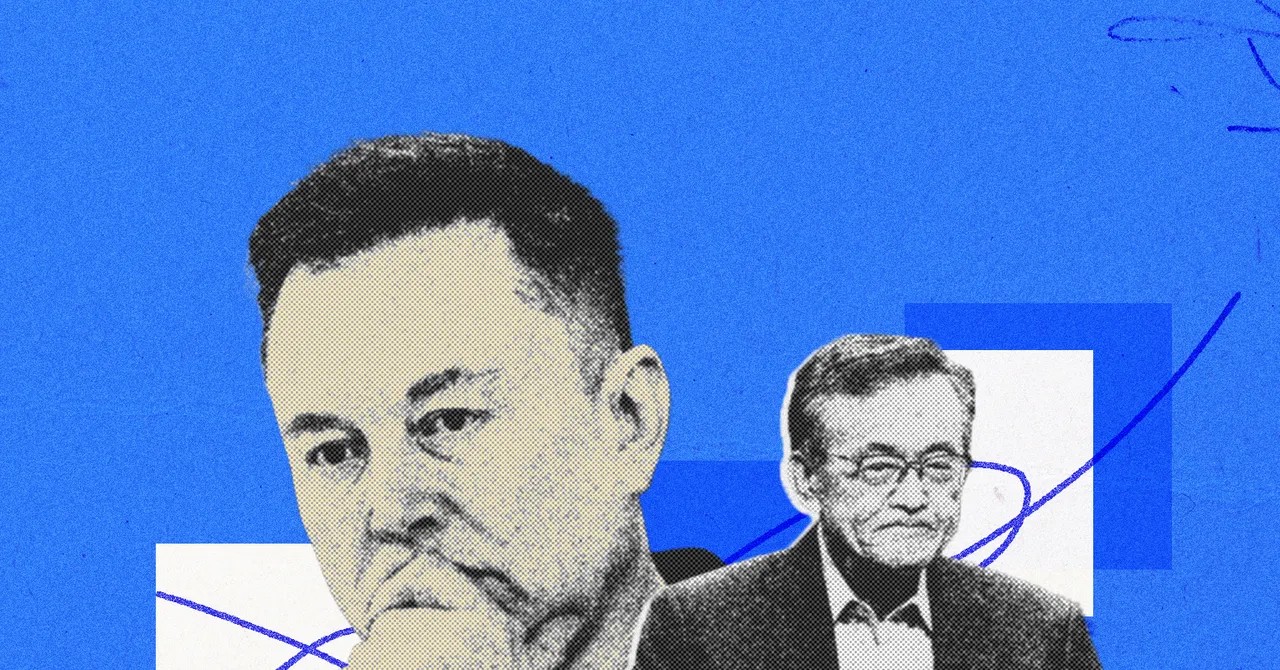
Intel CEO Lip-Bu Tan has officially confirmed a strategic partnership with Elon Musk to support Terafab, an ambitious project aimed at revolutionizing chip development and fabrication. The venture, which is expected to be a joint effort between SpaceX and Tesla, seeks to create a massive, high-performance manufacturing operation capable of producing the vast quantities of silicon required for the next generation of AI, robotics, and autonomous vehicles.
While the announcement has sent ripples through the semiconductor industry, the true scale and mechanics of this partnership remain shrouded in mystery.
The Vision: A “Step Change” in Silicon
Musk has long advocated for the creation of a “Terafab”—a concept focused on producing a staggering 1 terawatt of computing power annually. This isn’t just about making more chips; it is about fundamentally changing how silicon logic, memory, and packaging are integrated.
For Intel, this partnership is a high-stakes opportunity. After years of industry stagnation, the chipmaker is aggressively courting “whale” customers to prove its ability to manufacture advanced semiconductors for the AI era. If successful, Musk’s companies could provide the massive, consistent demand Intel needs to revitalize its foundry business.
5 Critical Uncertainties Facing the Partnership
Despite the high-profile handshake between Tan and Musk, several significant questions remain unanswered:
1. What is the actual scale of the deal?
Currently, there is a notable lack of formal documentation. Unlike major industry partnerships—such as the recent multi-year deal between AMD and Meta—neither Intel nor Tesla has filed the necessary paperwork with the U.S. Securities and Exchange Commission (SEC). This suggests that while the strategic alignment is real, the partnership may still be in its early, conceptual stages rather than a fully realized commercial contract.
2. What is Intel’s specific role?
Intel has been vague about its exact contribution, citing only its “ability to design, fabricate, and package ultra-high-performance chips at scale.” Industry analysts suggest a phased approach:
* Advanced Packaging: This is the most likely starting point. It allows Musk to leverage Intel’s expertise without immediately alienating TSMC, the world’s dominant foundry, with whom Tesla maintains existing relationships.
* Architecture Licensing: Musk may license Intel’s existing chip architectures to customize them for his specific needs.
3. How much customization will Musk demand?
Musk is known for his “hands-on” approach to manufacturing. Tesla’s previous deal with Samsung for its A16 chip demonstrated this; Tesla designed the chip itself to ensure it met the specific needs of autonomous driving and humanoid robots. It is highly probable that Musk will push Intel to customize not just the chip designs, but the manufacturing processes themselves to achieve unprecedented efficiency and speed.
4. Who will own the Intellectual Property (IP)?
Building a semiconductor fab requires immense specialized knowledge. Until Musk’s companies can afford to purchase their own advanced lithography machines and build their own foundries from scratch, they will be reliant on Intel’s expertise. This likely means that while Musk can create his own “recipes” for manufacturing, the underlying intellectual property and process design kits will likely remain under Intel’s ownership.
5. Can the physical infrastructure be built?
The project faces massive logistical hurdles. While Musk is expanding his footprint in Austin, Texas, the region is currently facing a severe shortage of skilled tradespeople—plumbers, electricians, and construction workers—needed to build massive data centers and semiconductor plants. With the data center industry currently dominating the labor market, the Terafab project may face intense bidding wars for labor and significant construction delays.
The Bottom Line: The Intel-Musk partnership represents a bold attempt to vertically integrate the most critical component of the AI revolution. However, between regulatory silence, complex IP negotiations, and a tightening labor market, the path from “handshake” to “high-volume production” remains incredibly steep.