The following report synthesizes recent investigative findings regarding cybersecurity, federal law enforcement conduct, and the evolving landscape of privacy and digital safety.
🛡️ Cybersecurity and Infrastructure Vulnerabilities
Recent developments highlight a growing trend of both state-sponsored and criminal-led digital attacks targeting critical systems and proprietary data.
Attacks on Critical Infrastructure
The U.S. government has issued warnings regarding Iran-linked hackers targeting domestic energy and water infrastructure. This digital sabotage comes at a high-stakes moment as geopolitical tensions rise and threats of retaliatory strikes against Iranian infrastructure increase. This suggests a shift toward “asymmetric warfare,” where digital disruption is used to bypass traditional military defenses.
Data Breaches in the AI Sector
The artificial intelligence industry is facing new security challenges. Meta has paused its collaboration with Mercor, a prominent data vendor, following a security incident. The breach is particularly concerning because it may have exposed sensitive information regarding the methodologies used to train advanced AI models—the very “secret sauce” that drives the industry’s competitive edge.
Leaked Border Security Information
In a surprising lapse of operational security, sensitive Customs and Border Protection (CBP) facility codes appear to have been leaked via online study tools like Quizlet. These codes, which include details on gate security, were discoverable through simple web searches, raising questions about how easily federal security protocols can be compromised by amateur digital footprints.
🚔 Federal Law Enforcement and Immigration Tactics
A series of investigations has cast light on the methods and accountability—or lack thereof—within federal agencies, particularly Immigration and Customs Enforcement (ICE) and the Department of Homeland Security (DHS).
The Expansion of ICE Operations
ICE agents are currently being deployed across more than a dozen major U.S. airports, including hubs in New York, Atlanta, and Chicago. This deployment is part of a broader, highly specialized crackdown on immigration.
A WIRED analysis of DHS records has unmasked the “paramilitary” nature of these operations, identifying dozens of specialized federal agents who have utilized force against U.S. civilians. This represents one of the largest deployments of its kind in American history.
Issues of Accountability and Identity
The investigative reports highlight several systemic concerns regarding how these agencies operate:
– Impersonation and Public Trust: Experts warn that ICE’s ability to impersonate law enforcement without sufficient oversight creates “systemic harm” across the entire legal landscape.
– Internal Culture: While most agents remain silent, independent journalists have managed to gain insights into the internal workings of federal immigration enforcement.
– Controversial Merchandise: Reports indicate that Border Patrol agents have been selling “challenge coins” featuring characters in riot gear and phrases associated with extremist groups like the Proud Boys, potentially violating government regulations.
Communication Failures in Criminal Investigations
In a separate but related lapse in federal efficacy, records show that the FBI failed to respond to urgent communications from Minnesota state investigators for several days following the killing of Renee Good. This breakdown in inter-agency coordination highlights potential friction points in how local and federal authorities manage high-stakes investigations.
📱 The Erosion of Personal Privacy and Safety
Technology is increasingly being weaponized against individuals, moving from convenience to a tool for surveillance and abuse.
Biometric and Device Surveillance
The integration of smart devices and biometric technology is creating a new reality where personal privacy is increasingly difficult to maintain. As these technologies become ubiquitous, they provide law enforcement with unprecedented access to personal data, often without the explicit or informed consent of the citizenry.
Digital Abuse and Cybercrime
On a more personal level, the rise of “spyware” and hacking tools is fueling a disturbing trend of domestic abuse. In private Telegram groups, there are documented cases of men purchasing tools to monitor wives and friends, as well as sharing nonconsensual imagery and engaging in doxing. This underscores a growing intersection between technological accessibility and targeted interpersonal violence.
Targeted Violence
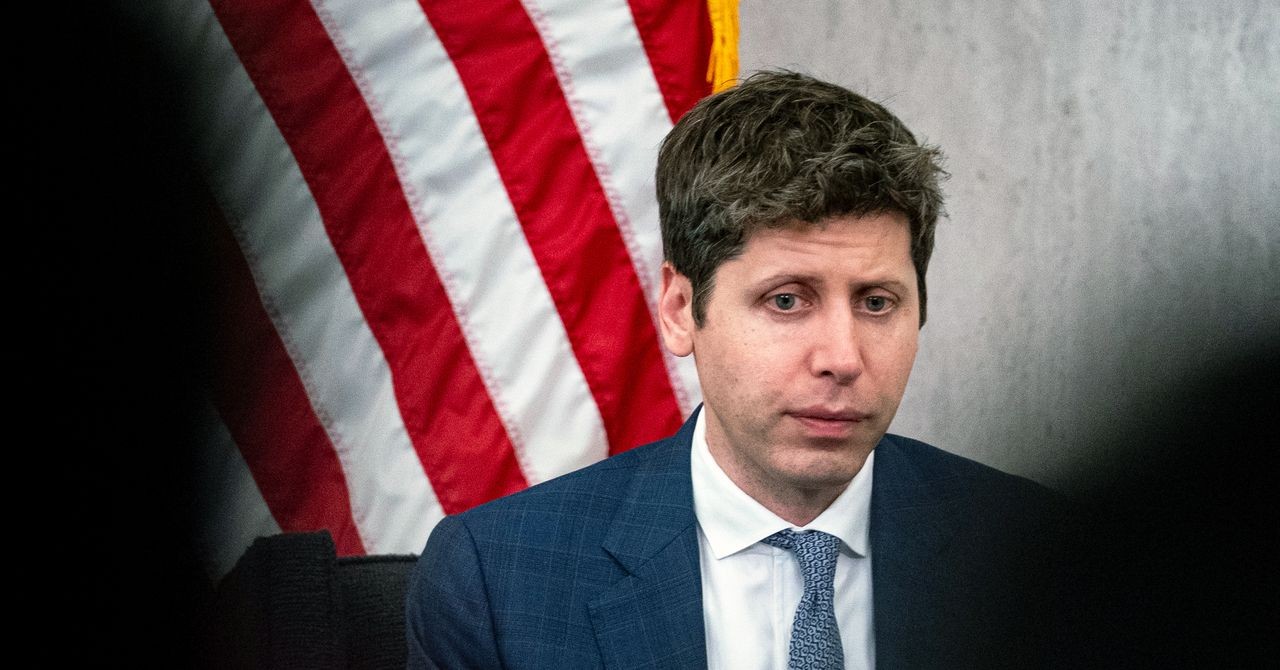
In a high-profile incident of personal targeting, a suspect was arrested for allegedly throwing a Molotov cocktail at the home of Sam Altman, the CEO of OpenAI. This incident reflects the increasing physical risks faced by leaders in the high-profile technology sector.
Conclusion: From the sabotage of national infrastructure to the digital stalking of private citizens, the intersection of technology and law enforcement is creating a landscape where security is increasingly fragile and privacy is under constant siege.