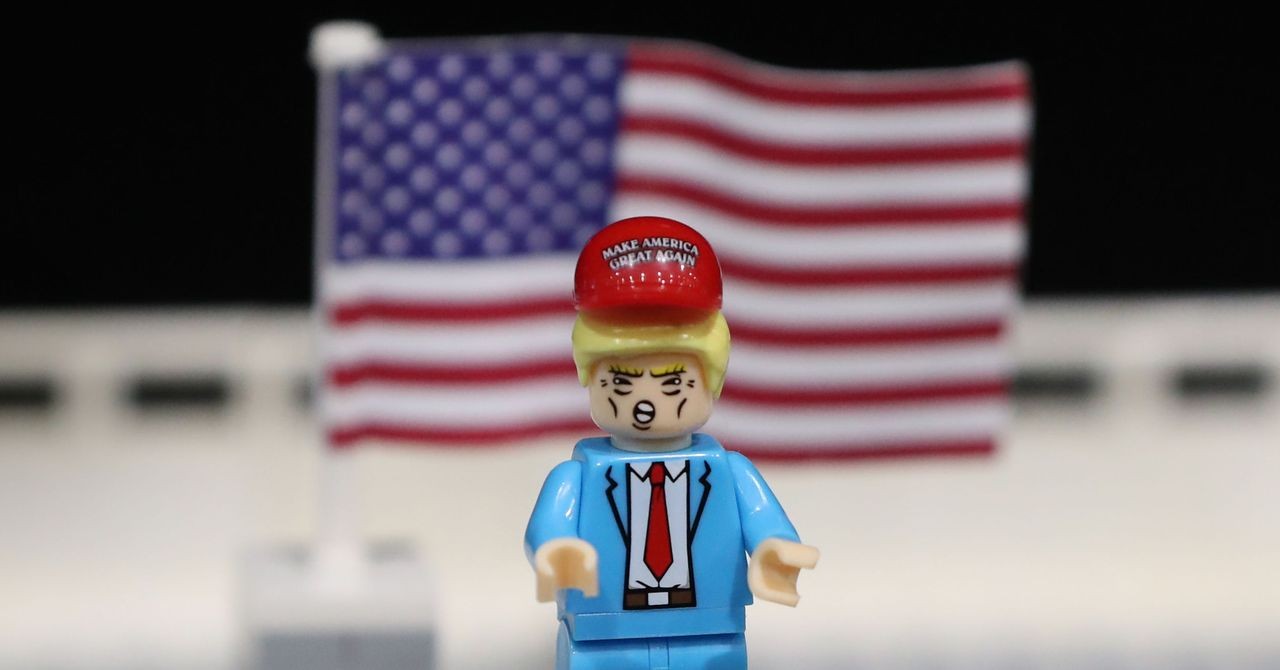
A new era of psychological warfare is unfolding on social media, driven not by traditional state propaganda, but by highly sophisticated, AI-generated animations. A group known as Explosive Media has gained massive traction by using Lego-style cartoons to troll U.S. President Donald Trump and critique American foreign policy, reaching millions of viewers across mainstream platforms.
The Rise of “Lego Propaganda”
While the Iranian government has utilized similar animation styles in the past, Explosive Media represents a significant evolution in digital influence operations. Unlike previous state-run efforts, these videos are:
- Culturally Attuned: The content uses Western memes, English-language rap tracks, and references to American political scandals (such as the Epstein files) to resonate with U.S. audiences.
- Technologically Advanced: The group utilizes AI tools to script, produce, and edit high-quality, short-form videos tailored for TikTok, X (formerly Twitter), and Instagram.
- Strategically Timed: The group operates with high agility. Following President Trump’s recent comments regarding potential military action against Iran, the group released a pre-prepared video featuring a “Lego Trump” surrendering with a white flag.
Why This Strategy Works
Experts suggest that the success of these videos lies in their ability to “distill” complex, heavy geopolitical conflicts into digestible, engaging formats.
“People are disengaging from some of the real conflict content and looking for something that can distill what’s happening quickly and in a language and tone that they understand,” says Moustafa Ayad, a researcher at the Institute of Strategic Dialogue.
By using humor and recognizable aesthetics, the group taps into existing disaffection within the United States, making the Iranian perspective feel accessible rather than alien. This “two-front” approach—engaging both international audiences and domestic American critics—allows the content to spread organically through resharing and high engagement rates.
The Question of Autonomy and Access
A central tension in this story is the identity of Explosive Media. While the group claims to be an independent entity of young activists, several factors raise questions about their connection to the Iranian state:
- Internet Access: In a country where the Iranian government strictly controls and often restricts internet access, the group maintains a massive global presence. They claim this is due to their status as a “media organization.”
- Political Alignment: Despite their claims of independence, their content is overwhelmingly pro-regime and aligns closely with official Iranian diplomatic narratives.
- Sophistication: The level of production and the ability to bypass typical censorship suggests a level of resources and coordination often associated with state-sponsored actors.
Evolution of the Digital Battlefield
The shift from dry, bureaucratic state media to catchy, AI-driven meme machines marks a turning point in how modern conflicts are perceived. Whether these creators are independent activists or state proxies, their ability to hijack the cultural zeitgeist demonstrates that the battle for public opinion is increasingly fought through algorithms and aesthetics rather than just traditional diplomacy.
Conclusion: The emergence of highly polished, AI-generated memes signals a sophisticated shift in digital influence, where cultural fluency and viral aesthetics are becoming as powerful as traditional political messaging.