


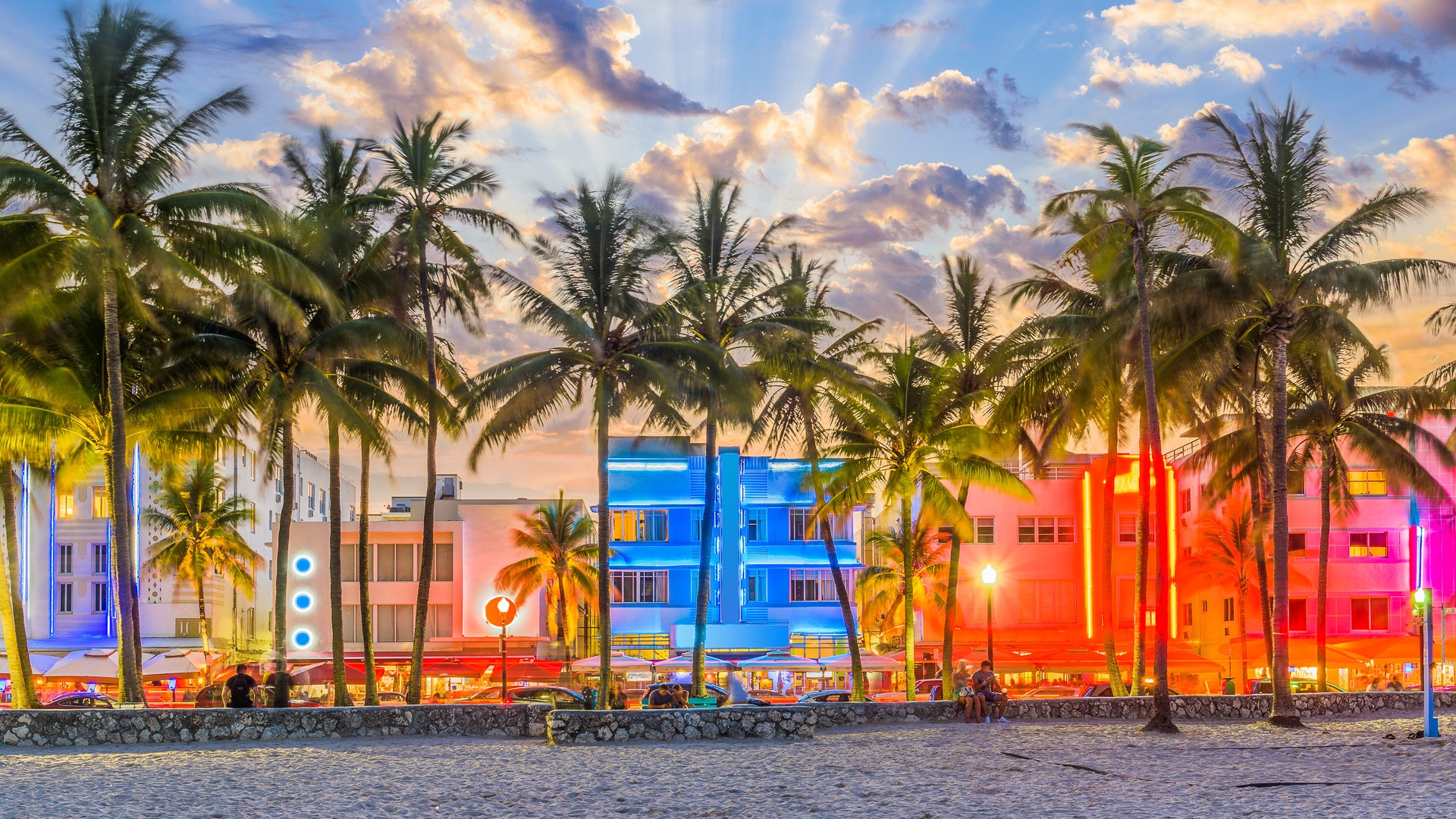
Miami has undergone a profound metamorphosis. Once characterized by the neon-soaked, crime-ridden imagery of the 1980s, the city has emerged as a premier global destination for the world’s most powerful individuals. From tech giants like Mark Zuckerberg and Jeff Bezos to hedge fund titans, the influx of billionaire capital is no longer a seasonal trend—it is a structural shift in the American economic landscape.
From “Miami Vice” to Global Financial Hub
For decades, Miami’s international reputation was tied to the aesthetic of Miami Vice —a depiction of excess, crime, and volatility. However, real estate investor and private equity manager Grant Cardone notes that the city has successfully shed this outdated persona.
The transformation is reflected in the hard data:
– In 2020: Not a single home in Miami sold for $50 million or more.
– By 2025: Miami surpassed traditional elite markets like New York and Los Angeles to lead the nation in $50 million-plus home sales.
This shift represents a move from “party tourism” to “permanent residency.” The transient crowds of spring breakers are being replaced by high-net-worth individuals who bring long-term stability to the local economy and real estate market.
The Perfect Storm: Taxes, Tech, and Lifestyle
While Miami’s rebranding was already in motion, the COVID-19 pandemic acted as a massive catalyst. The rise of remote work allowed the wealthy to decouple their professional lives from high-cost, highly regulated urban centers.
Several key factors have made Miami the primary beneficiary of this migration:
- Favorable Fiscal Policy: The absence of state income tax and a business-friendly regulatory environment provide a significant advantage for capital preservation.
- The “Cool Factor” Migration: As traditional hubs like San Francisco, New York, and Boston face outflows, Miami is absorbing their cultural and financial energy.
- The Ecosystem Effect: Wealth tends to be self-perpetuating. As tech billionaires and banking heavyweights settle in the area, they create a gravity well that attracts more affluent residents seeking similar social and professional circles.
A Specialized Coastal Economy
The migration is not uniform; rather, it has created a specialized hierarchy of wealth along the Florida coastline. According to Cardone, different demographics are settling in distinct pockets:
- Palm Beach: The established, “old money” stronghold.
- Fort Lauderdale: A hub for the “young rich” and rising professionals.
- South Miami: The preferred destination for the “super-rich,” driven by proximity to luxury yachting infrastructure.
A Decades-Long Cycle, Not a Trend
It is easy to mistake this movement for a temporary reaction to recent global events, but the underlying drivers suggest a much longer timeline. Cardone compares Miami’s current trajectory to the multi-decade cycles seen in places like the South of France or St. Barts.
“These cycles don’t last for two or three years — they last for 30 and 40 years,” Cardone suggests.
By combining lifestyle amenities (warm weather and waterfront access) with sophisticated financial advantages, Miami is positioning itself as a permanent fixture in the global wealth map.
Conclusion
Miami has successfully transitioned from a seasonal vacation spot to a permanent sanctuary for global capital. Driven by tax advantages, a tech-friendly environment, and a specialized real estate hierarchy, the city is entering a multi-decade cycle of sustained ultra-wealthy migration.


