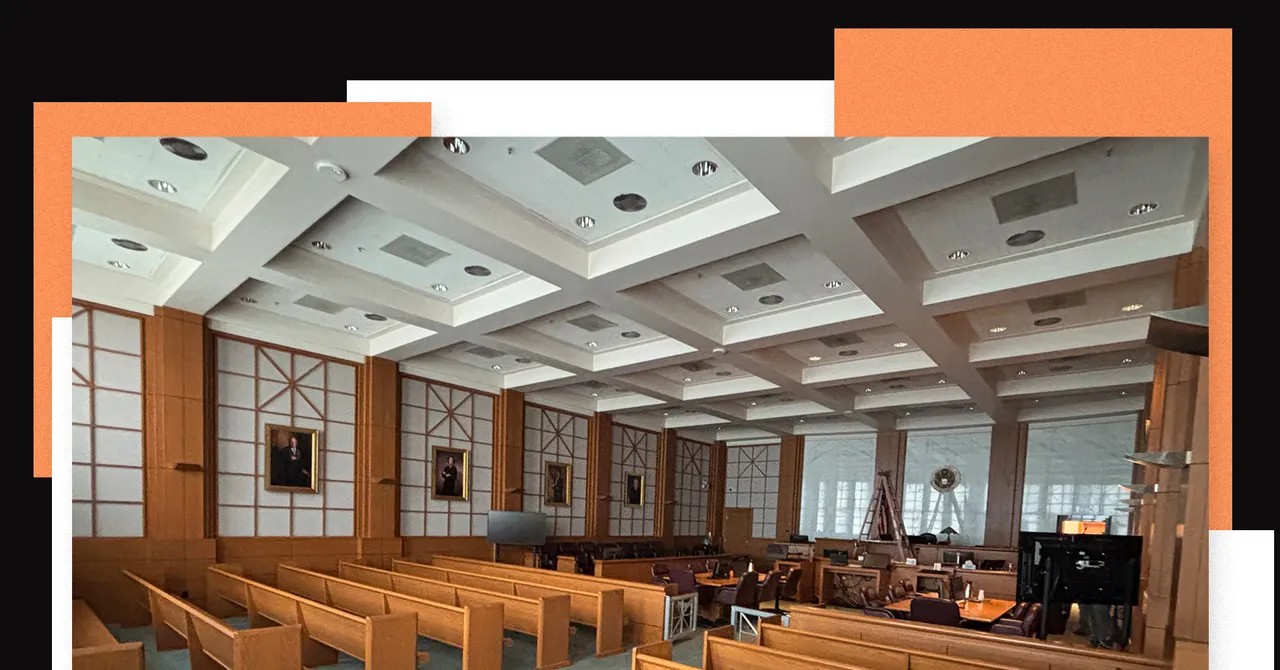
As the Musk v. Altman trial enters its final phases, the legal and financial stakes have reached a staggering height. Microsoft’s disclosure of spending over $100 billion on its partnership with OpenAI dominated Wednesday’s testimony, underscoring the massive capital at play in this landmark case. Yet, amidst the high-level corporate strategy and legal maneuvering, a peculiar logistical battle has emerged in US District Judge Yvonne Gonzalez Rogers’ courtroom: the war for physical comfort.
The Anatomy of Courtroom Comfort
The defense table, occupied by OpenAI and Microsoft executives and attorneys, has become a showcase for premium ergonomic aids. While the core litigators sit in leather chairs—some showing signs of wear—the supporting cast has turned to high-end padding to survive the marathon proceedings.
- The Purple Cushion: Several key figures, including OpenAI CEO Sam Altman and general counsel Che Chang, utilize thick black cushions from the brand Purple. Retailing for approximately $120 at Target, these memory-foam alternatives offer significant relief from the hard wooden benches. Chang was even observed using a cushion for lower back support, a tactic that highlights the physical toll of the trial.
- The Coop Pillows: OpenAI President Greg Brockman and his wife, Anna, have been spotted using pristine white pillows from the sleep brand Coop. These down-alternative pillows, typically sold in two-packs for $35, have become a staple for the couple. In a notable moment on Wednesday, a bodyguard delivered fresh pillows to the couple, ensuring neither had to endure the discomfort for long.
- The Stragglers: Not everyone has secured premium seating. OpenAI chief futurist Joshua Achiam, who took Brockman’s seat, initially went without a pillow before settling for a standard black cushion.
Why Comfort Matters in High-Stakes Litigation
This focus on seating may seem trivial, but it reflects the grueling nature of modern tech litigation. A veteran technology lawyer noted that while cushions are not “customary,” they are becoming increasingly common in trials of this magnitude. The Musk v. Altman case has lasted weeks, with days stretching into long hours of testimony and cross-examination.
“It’s not totally out of left field,” the lawyer explained, noting that while he had never seen such measures in shorter trials, the duration of this case makes them a practical necessity.
The courtroom itself is packed to near capacity, with approximately 150 people present, including 90 seated on bench rows. Unlike the limited-capacity sessions during the Epic Games v. Apple trial in 2021, this room is densely populated, leaving little room for movement or stretching. For journalists and observers, the decision to bring a cushion is a calculated risk. Early in the trial, many reporters chose to endure the discomfort to avoid appearing unprofessional or weak. However, as the days wore on, the physical strain became undeniable.
The Press Corps Caves
The shift from endurance to accommodation was gradual but inevitable. One journalist, after six days of worsening back pain, attempted to use a thin “cooling” cushion originally designed for stadium bleachers. The attempt failed; the cushion was too small and offered no real relief, particularly during intense note-taking sessions. By the fourth hour, the journalist had abandoned the effort entirely.
However, the trend is undeniable. Other members of the press, including a reporter from The New York Times, have since caved and brought their own padding. Even the courtroom artist, known for colorful interpretations of the proceedings, has remained seated on a personalized cushion throughout the trial.
Conclusion
As the trial moves toward its conclusion, with arguments about potential penalties set to begin next week, the focus remains on the legal outcomes. Yet, the presence of high-end cushions serves as a quiet testament to the endurance required in modern tech litigation. In a battle involving billions of dollars and the future of artificial intelligence, even physical comfort has become a strategic advantage.