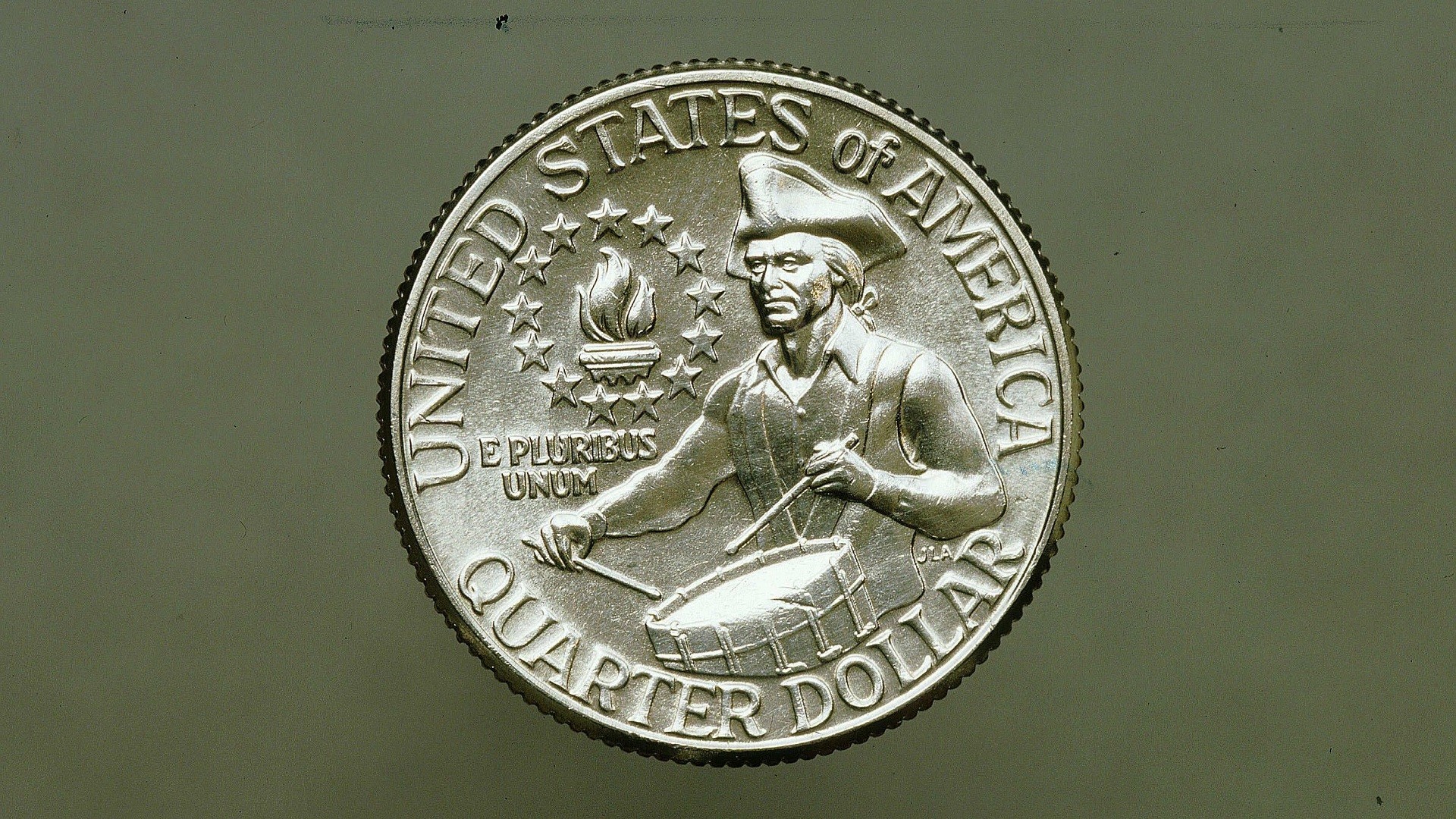
Most of your pocket change isn’t going to buy a house. Even as 2026 approaches, the bicentennial quarter isn’t magically becoming a gold mine.
You might think America’s 250th birthday means the coins minted for its 200th are now priceless. Logic dictates scarcity equals value, right? Here is the reality. It is a hard no.
These quarters are everywhere. The U.S. Mint hammered out 1.6 billion of them in 1975 and 1976. That is not a collectible number. That is a circulation number. Ted Ancher from APMEX knows the data. He says these are just spendable change.
Think about it. A regular 25-cent piece sits in your jar. It looks slightly different with the drummers and the independence celebration, sure. But look closer. The composition matters. Most modern quarters are copper-nickel clad. They are heavy. They clink. The 1930s Washington quarters, the ones actual hunters want? They contained 90 percent silver. The bicentennials circulating today? Zero percent silver.
“Not likely to go up in value despite next year’s anniversary.”
So you shouldn’t sell yours for cash? Not necessarily.
There is a nuance. If you held onto your proof sets when you were young, maybe.
Silver Proof Sets
The Mint did produce versions with 40 percent silver content. These were sold in sets to collectors. They were not meant to change hands at the grocery store.
If you have one, look at the edge.
* Reddish/Brownish edge: It’s just copper cladding. Worth 25 cents.
* Whitish/Grey edge: Likely contains silver.
Does the silver make you rich? No. Silver prices fluctuate. You might break even on the metal content. Ancher points out that high grades matter. If a service like PCGS or NGC certifies the condition, yes, you might get a few dollars above spot price.
What about errors?
Everyone talks about the “extra leaf” errors. Real ones are rare. Fake stories online make people dig through their piggy banks. The truth? Error coins are hard to find even in shops.
Why collect then?
Profit is a trap. Thousands of people hoard these specific dates. The market is flooded. Ancher warns that chasing ROI on common modern coins is a fool’s game. The silver versions track silver prices. They won’t outperform the market by much.
But maybe that’s not the point.
Coin collecting isn’t about wealth building. It’s about holding history. You keep what you find. You save the ones you like. It costs you nothing extra since they are already in your change.
Is it worth the effort for profit? Hardly.
Is it fun? That is your call.
Ancher suggests ignoring the price tags on the common stuff. Collect what looks cool. Collect what feels right. If times get tough, remember, they are still money. But don’t bet on them paying for your retirement.
The bicentennial quarter will stay a quarter. That’s all.