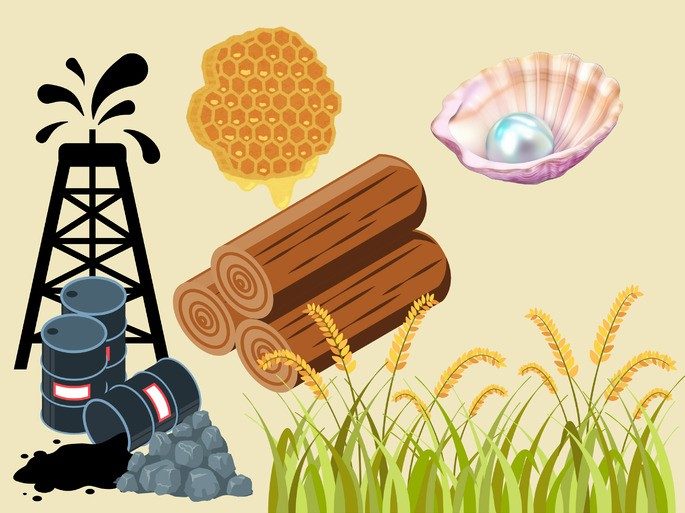
You think you’re buying a phone. You’re not. You’re buying lithium, cobalt, glass, and labor. That distinction matters because raw materials are the invisible foundation of everything you own. They are the stuff pulled straight from the earth—mined, harvested, drilled—before any factory touches it. Without that initial extraction, there is no product. Just dirt.
Most people don’t see the supply chain. They see the finished good. But if you want to understand where money actually moves, you have to look at what comes before the branding.
The Difference Between a Commodity and a Resource
Here is the split. A raw material can stay in its natural state. It can be traded exactly as it was found. When that happens, it becomes a commodity.
Think of wheat. Or crude oil. Or gold bars. These are standardized. One barrel of West Texas Intermediate oil is functionally identical to another barrel. This fungibility is what makes them tradable on global markets. You don’t need to inspect every grain of rice to know its value. The market does the pricing.
Commodities are the financialized face of raw nature.
If you refine that oil into gasoline, it’s no longer just a raw material in the same sense. It’s a processed good. If you smelt the iron ore into steel beams, you’ve added value, but you’ve also added complexity, cost, and regulatory friction.
Why Raw Material Prices Matter for Your Wallet
You might wonder why you should care about the price of copper or soybeans. The answer is simple: inflation is often a resource problem, not a currency problem.
When the cost of raw materials spikes, the cost of everything downstream spikes. Construction slows down. Electronics get expensive. Food prices rise. The mechanism is direct. A farmer pays more for fertilizer (made from natural gas). A car maker pays more for steel (made from iron ore). You pay more at the pump.
It’s not magic. It’s arithmetic.
How Commodities Are Traded
Commodities don’t trade like stocks. You can’t just buy “some wheat” on an app and hold it forever. They trade on futures contracts. These are agreements to buy or sell a specific amount of a commodity at a set date and price.
This creates a market that is highly sensitive to weather, geopolitics, and supply chain disruptions. A drought in Brazil hits coffee prices in Seattle. A blockade in the Red Sea hits shipping costs for everything else.
The risk is real. Prices can swing violently. That volatility is the price of admission for an economy that runs on finite physical resources.
So, when you hear about “raw materials,” don’t just think of dirt and rocks. Think of leverage. These inputs have immense leverage over the final price you pay, even if you never see them.
Raw vs. processed: The value gap you can’t ignore
Think about a cucumber.
Pick it from the vine, wash it, eat it. That’s a raw material. It comes straight from agriculture. You didn’t have to smelt it, refine it, or code it.
Now think about steel.
You don’t find steel in nature. You find iron ore. You dig it up, mix it with carbon, melt it down, and shape it. The raw material disappears. What you get is something new. Something with added value.
This distinction matters. A lot.
Raw materials are the starting line for the primary sector. Mining, fishing, farming. They are the raw wealth of a nation. But they are also a trap for many developing countries.
Why?
Because selling dirt, beans, or copper bars is cheap. Selling a tractor, a smartphone, or a high-end alloy is expensive. Industrialized nations buy the cheap stuff, process it, and sell the finished product back at a markup. It creates an asymmetric relationship. The exporter stays poor. The importer gets rich.
How does climate change break this model?
Badly.
Raw materials are tied to the earth. Literally. Drought hits, and corn yields drop. Floods come, and soy planters lose everything. The supply chain snaps before it even starts.
Then there’s geopolitics.
Wars, sanctions, trade bans. These aren’t abstract concepts when you’re trying to get rare earth minerals or fossil fuels. Conflicts in key regions can cut off access to critical inputs overnight. The price spikes. Production halts.
It’s not just about having the resource. It’s about getting it out and turning it into something useful.
If the processing cost is too high, the material sits in a warehouse. It’s dead weight. Steel works because the transformation from iron to steel is efficient and the end product (tools, structures) sells well. If you had to spend $10,000 to refine a $10 rock, you wouldn’t do it.
Where the wealth actually sits
The map of raw materials is uneven.
Africa, Asia, and the Americas hold the bulk of the physical resources. The US grows the corn. Russia digs the gold. Chile pulls the copper from the ground.
This distribution shapes global alliances. It creates tensions. It dictates who holds the leverage.
The country with the resource has power. The country with the technology to refine it has profit.
Understanding this split is key. If you invest in commodities, you’re betting on extraction and logistics. If you invest in manufacturing, you’re betting on efficiency and innovation. They are two different games.
One relies on the weather and stable governments. The other relies on capital, labor, and tech.
Don’t confuse the two.
Classifying the chaos: Origin matters
Not all raw materials are created equal. You can group them by where they come from. This isn’t just academic labeling. It affects price, availability, and long-term risk.
We look at origin. Animal. Vegetable. Fossil. Mineral.
Each category behaves differently in the market.
Animal and vegetable sources are renewable, but fragile. Crops die. Herds get sick. Seasons change.
Fossil fuels are finite. We burn them, and they’re gone. The price reflects scarcity and extraction difficulty.
Minerals are geological. They sit there until we dig them up. Their value depends on utility. Copper wires electricity. Lithium stores it.
The classification changes how you hedge risk. You don’t hedge a drought the same way you hedge a mine collapse.
Which one do you think is more volatile right now?

How supply constraints dictate raw material costs
You don’t just pick materials based on what looks good in a showroom. You pick them based on whether you can actually get them. Availability isn’t a vague concept. It’s a hard constraint that hits your P&L statement.
When we talk about availability in raw materials, we’re looking at two things: abundance and accessibility. Is the stuff there? And can you get it to your factory floor without bleeding cash on logistics?
This is where the natural vs. synthetic distinction gets messy for buyers.
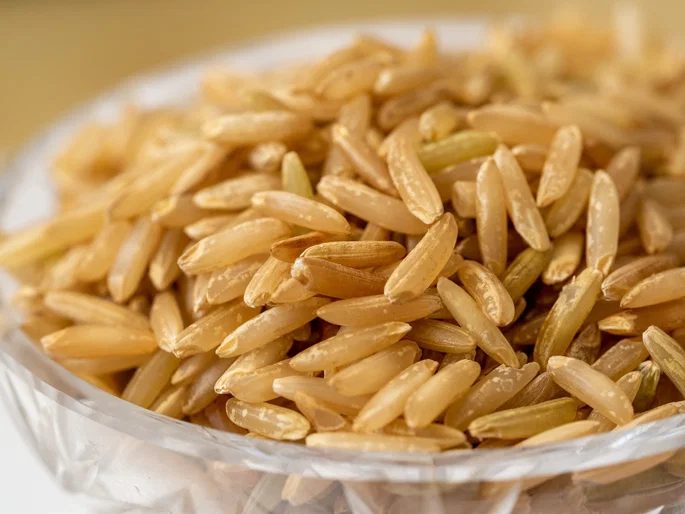
Take plant-based materials like cotton or corn. They’re renewable. You plant it, you harvest it. Sounds stable, right? Wrong. Weather patterns change. Droughts hit. Crop failures happen. Your supply chain for vegetable origin materials is tied to the whims of nature. You’re bidding against other farmers, other nations, and unpredictable seasons.
Animal origin materials add another layer of complexity. Leather, wool, silk. These aren’t just harvested; they’re raised. Disease outbreaks can wipe out herds or flocks overnight. Ethical sourcing standards add regulatory friction. The cost isn’t just the animal. It’s the land, the feed, the labor, and the compliance paperwork.
Then you have mineral origins. Gold, copper, granite. These are finite. The earth only has so much of it. Mining is capital intensive, environmentally contentious, and often geopolitically sensitive. When you buy mineral raw materials, you’re often buying into a country’s political stability. If a mine sits in a region with shifting labor laws or export bans, your “available” stock just became stranded.
Fossil fuels are the wild card. Oil, natural gas, coal. They’re abundant in specific pockets but scarce in others. More importantly, the market for them is global, volatile, and heavily influenced by OPEC decisions, wartime sanctions, and shifting energy policies. You can’t just “grow” more oil next year. You drill, you pray, you wait.
Here’s the twist: synthetic materials were supposed to be the solution. Plastics, synthetic fibers. Made in labs. Controlled environment. No droughts. No herds. No mines.
But they’re not free from availability risks. They’re derived from fossil fuels. So your synthetic plastic supply is tied to the same oil price spikes and geopolitical tensions as your gasoline. Plus, production requires specialized chemical plants. One factory fire or supply chain break in precursor chemicals can halt production lines globally.
Liquid or gaseous origins like water or hydrogen seem infinite. But clean water? Accessible hydrogen? Those are logistics nightmares. You can’t ship water in bulk across oceans efficiently. You have to use it locally. That means your manufacturing location is dictated by the water table, not just the labor market.
So how do you manage this?
- Diversify suppliers. Don’t rely on one mine, one farm, or one chemical plant. If one source dries up, you need a backup that doesn’t share the same geographic or political risk factors.
- Monitor geopolitical headlines. A trade tariff on steel or an export ban on rare earth minerals isn’t news. It’s your cost of goods sold changing overnight.
- **Understand the upstream


How extraction methods change the cost structure
The way you get the material out of the ground or harvest it determines your baseline cost. This is where the “superabundant” category gets tricky.
Take oxygen. It’s everywhere. You breathe it. It’s in the water. But if you need industrial-grade oxygen for steel manufacturing, you aren’t just opening a window. You’re running cryogenic distillation plants. The raw material is free. The processing isn’t.
Renewable inputs look cheaper on paper because they don’t deplete. Solar energy flows in regardless of whether you catch it. Vegetal resources regrow. Hydrogen can be extracted from water. But “inexhaustible” doesn’t mean “free.” The infrastructure to capture solar photons or refine hydrogen has a capital intensity that bites hard.
The cost isn’t the resource. It’s the extraction.
Non-renewable materials like petroleum operate on a scarcity model. The reserves are finite. Every barrel pulled reduces the global stock. This creates a different financial dynamic. Prices don’t just reflect extraction costs; they reflect geopolitical risk, environmental compliance, and the looming shadow of depletion.
Countries are pouring capital into efficiency tech now. Why? Because the old model of burn-and-replace is hitting a wall. Substitution isn’t just an environmental ideal. It’s a supply chain hedge.
Distinguishing primary vs. secondary raw materials
Where the material comes from in the production chain matters for risk assessment.
Primary raw materials come directly from nature. Crude oil. Iron ore. Timber. These carry extraction risks. Weather, mining accidents, political instability in source regions. You are at the mercy of the earth and the laws of the countries sitting on top of it.
Secondary raw materials are recycled. Scrap metal. Recycled plastic. Paper pulp from waste. Here, the “mine” is the landfill or the consumer’s recycling bin.
The financial trade-off is clear. Secondary materials often have lower energy costs for processing. You skip the mining. But they carry quality variability. Recycled aluminum might have impurities that primary ore doesn’t. Sourcing consistency becomes the bottleneck.
Which is better? It depends on your product tolerance. High-precision aerospace parts? You likely need primary purity. Packaging? Secondary is often cheaper and carries better ESG ratings.
Don’t assume “recycled” is automatically the superior financial play. Audit the processing costs. Sometimes, refining waste is more expensive than digging fresh ore.
raw vs processed inputs in manufacturing
There is a hard line between raw materials and processed ones. It matters for your bottom line. It matters for supply chain risk.
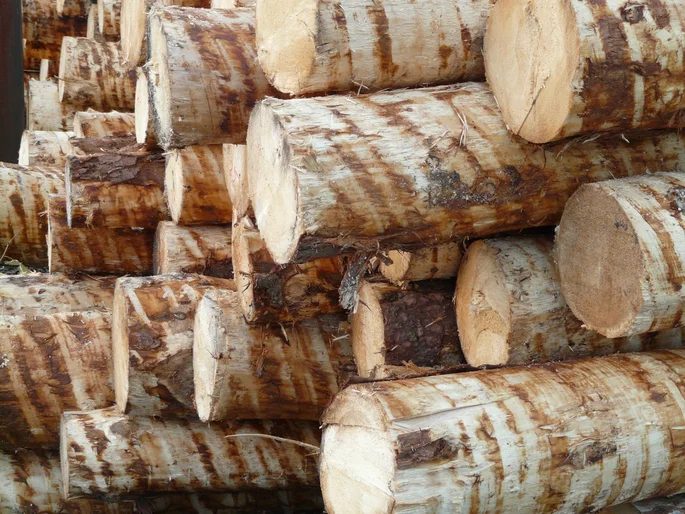
Raw materials sit in nature. You pull them out. You use them. No factory needed. Wood. Sand. Stone. Hides. Cotton. Water. These are materias primas crudas. You can use them immediately. Or close to it. The cost is extraction. The risk is weather.
Processed materials? Different ballgame. These are materias primas procesadas. They have to go through hell before they work. Glass starts as sand. But sand isn’t glass. You melt it. You shape it. Paper starts as trees. Then chemicals. Then pulp. Then sheets.
This second group also holds intermediate goods. These aren’t finished products. But they aren’t raw either. They are partially modified. Ready for the next step in another industry.
Why does this distinction matter?
Price volatility hits raw materials harder. Droughts kill cotton yields. Floods stop mining. Processed materials buffer some of that. But they add labor costs. Energy costs. Machine depreciation.
If you buy raw, you control the transformation. You keep the margin. You also keep the headache.
If you buy processed, you outsource the complexity. You pay a premium. You gain consistency.
Which path suits your business?
Look at your margins. Look at your capacity. If you lack the machinery to turn sand into fiber, don’t try. Buy the fiber. If you have excess energy and cheap labor, buy the sand.
The middleman exists because transformation is expensive.
Don’t ignore the intermediate stage. Those partially modified materials are often where the real leverage hides. They offer flexibility. They bridge the gap between earth and shelf.
Check your inputs. Are they truly raw? Or are you pretending they are?
Sometimes “raw” just means “someone else did the first dirty work.”