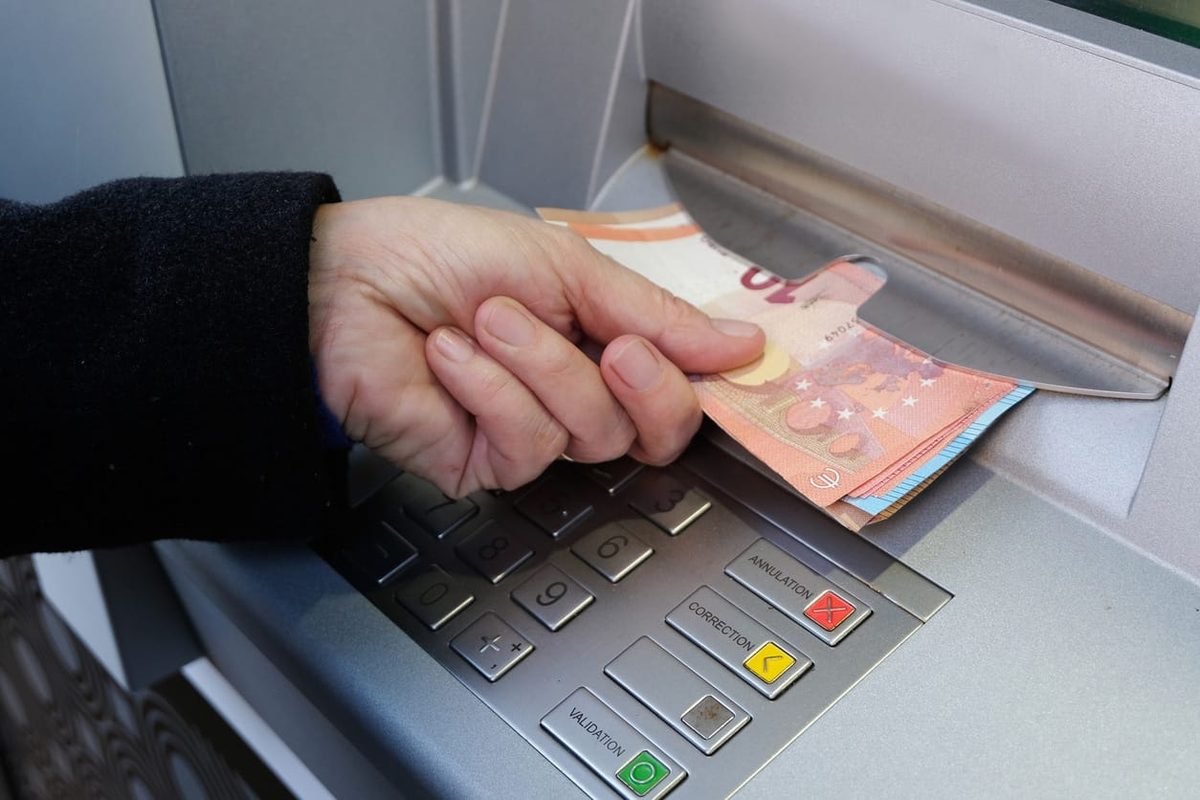
You forgot your wallet. The receipt needs cash. Your phone is at 15% and you are standing in front of a machine that demands a plastic rectangle you do not have. Panic is the wrong reflex. There are ways to get liquidity when your card is missing, lost, or simply not on hand.
Use your smartphone as a cash key
Most modern banking apps have turned your phone into a universal key. If your bank supports NFC or QR code withdrawals, you do not need the physical card. You open your app, generate a one-time code or hold your device near the terminal. The machine reads the digital credential, not the plastic.
This method works for specific scenarios. You need a compatible phone, a stable data connection, and a bank that has implemented the feature. Check your banking app’s settings for “cash withdrawal” or “digital card” options. If the option is greyed out, your institution has not enabled it yet. Do not force it. Look for another method.
Why cash access matters in a digital world
People assume digital payments cover everything. They do not. Vending machines, parking meters, and small independent vendors still operate on physical currency. If you cannot access cash, your spending power drops to zero. This is a liquidity risk, not just an inconvenience.
The trade-off with digital withdrawal is security versus convenience. You are sharing a temporary credential with a public machine. The risk is low, but it exists. Ensure your device is locked. Do not share your screen. Do not leave your phone unattended while the machine dispenses notes.
Which methods are actually available
Not all “no card” solutions are equal. Here is what works and what does not.
- Bank App QR Code: The most common method. You generate a code in your app and scan it at the ATM.
- NFC Tap: Available on newer terminals. You tap your phone directly to the reader.
- Agent-Based Withdrawal: Some banks allow you to authorize a withdrawal at a bank branch or partner location. You show ID, they check the system, they hand you cash. No ATM required.
- Contactless Credit Card: If you have another card, you can use it. This is not “without a card,” but it solves the “forgot my primary card” problem.
Avoid third-party “cash access” services that ask for your PIN in exchange for a fee. These are often scams or predatory services with high transaction costs. Stick to your own bank’s official channels.
How to verify your bank supports this
Open your banking app. Go to the ATM section. Look for icons that resemble a phone or a QR code. If you see them, tap the icon. The interface will guide you through the generation of a withdrawal request.
If your app does not show this option, call your bank’s customer service. Ask specifically: “Do you support cardless cash withdrawal via mobile app?” Do not assume. Banks update their systems at different speeds. A feature available in one country or region may not be live in another.
“The goal is not to bypass security, but to maintain access to funds when your physical instrument is unavailable.”
Security check before you tap
Before you initiate a withdrawal, confirm the ATM environment. Is it in a lit
How to withdraw cash at an ATM without a bank card
Leaving your debit card at home doesn’t mean you’re stuck with a digital-only life. If you need physical cash for small errands or just prefer the weight of bills in your pocket, you can bypass the plastic entirely.
The mechanism is straightforward, but it requires setup before you stand in front of the machine. First, talk to your bank advisor. They need to activate the specific option on your account. Once that’s done, download your bank’s mobile app. In the app, you select the account to debit and specify the exact amount of cash you want. You can also pick the date and time for the withdrawal.
The system generates a unique access code. This number acts as your temporary key. You walk up to an ATM, enter the code on the keypad, and the machine dispenses the cash. No card slot required.
Which banks allow cardless cash withdrawals in France?
This feature isn’t universal. Not every institution supports it. If you want this flexibility, check your provider’s compatibility immediately.
Two major players in France offer this service:
- Banque Populaire : Look for the “SM@RT’retrait” option.
- Crédit Mutuel : They use the “e-retrait” service.
For both, the requirement is the same. You must subscribe to the specific service through your advisor. If your bank isn’t on this list, this specific method won’t work for you.
Understanding “Sans Contact Plus” for higher-value purchases
Cardless withdrawal is one tool. Another recent shift in French retail involves the limit on contactless payments. For years, the threshold was 50 €. That ceiling is disappearing.
A new standard, often referred to as sans contact plus, allows transactions well beyond that 50 € mark. Once terminal updates roll out across major retailers, you won’t need to insert your card for larger purchases.
The process remains simple. Tap your card on the reader. Enter your PIN code. The transaction clears without the card ever leaving your hand or entering the slot. It’s the same security protocol as a standard contactless tap, just with a higher tolerance for transaction size.
Using NFC mobile payments as an alternative
If you don’t have your card, you likely have your phone. Near Field Communication (NFC) technology turns your smartphone into a payment terminal. This is different from the ATM withdrawal method; it’s for paying for goods and services directly.
To set this up:
- Open Apple Pay, Google Pay, or Samsung Pay.
- Register your card details: card number, expiration date, and CVV.
- Approve the link via your bank’s app or SMS.
At the checkout counter, you hold your phone near the payment terminal. Your phone will ask you to unlock it. This is done via fingerprint, facial recognition, or your device PIN. Once verified, a confirmation appears on both your screen and the store’s terminal.
It’s a faster way to pay than digging through a wallet for coins and cash. It also eliminates the need to carry multiple cards. The security is tied to your specific device, meaning the payment method doesn’t work if someone else holds your phone.
You have options. Whether it’s generating a code for cash at the ATM or flashing your phone at the register, the dependency on the physical plastic card is fading. The trade-off? You become more dependent on battery life and internet connectivity. But for everyday transactions, the convenience is significant.