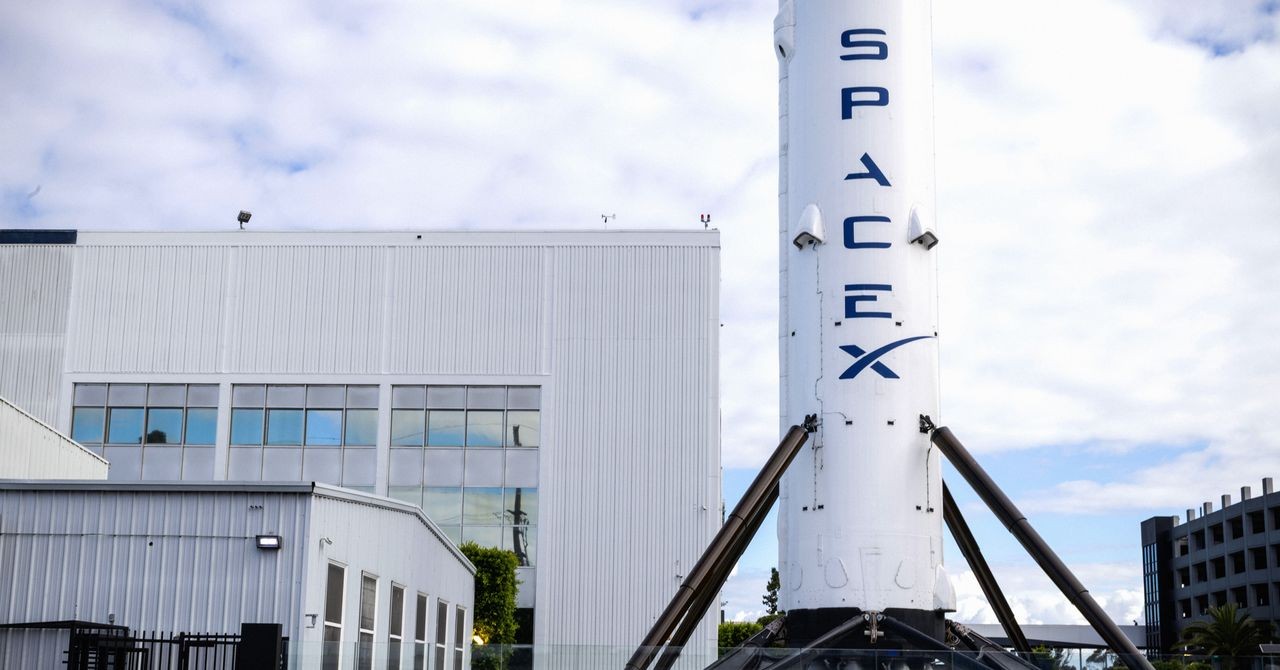
As Elon Musk’s SpaceX prepares for what could be the largest initial public offering (IPO) in history, a coalition of labor unions, pension funds, and activist groups is mounting a coordinated campaign to scrutinize—and potentially boycott—the company’s debut on public markets.
With a projected valuation exceeding $2 trillion, SpaceX aims to raise tens of billions of dollars. If successful, this June launch would instantly place the rocket manufacturer among the world’s top 10 largest publicly traded companies. However, critics argue that the sheer scale of the offering poses significant risks to institutional investors, particularly those managing retirement accounts for teachers, healthcare workers, and public servants.
The Core Concern: Pension Funds and Forced Exposure
The primary driver of this opposition is not just ideological disagreement, but financial prudence. Randi Weingarten, president of the American Federation of Teachers (AFT), recently urged the U.S. Securities and Exchange Commission (SEC) to conduct a rigorous review of SpaceX’s IPO filings.
Weingarten highlighted a critical vulnerability: under new stock exchange rules, SpaceX shares are likely to be included in major index funds within days of going public. This means the AFT’s 1.8 million members—who rely on these funds for their retirement savings—could be forced to hold SpaceX stock regardless of their personal views on the company or its leadership.
“The commission must demand ironclad disclosures, independent oversight and safeguards against forced investment—or risk consigning workers’ life savings to the whims of a company that operates more like a Musk family venture than a transparent, publicly traded enterprise,” Weingarten stated.
The AFT’s concerns mirror those raised last year during the campaign against Tesla. Activists warn that SpaceX’s business model may rely on “nonexistent or speculative technologies,” raising questions about whether the company can generate the profits necessary to justify its massive valuation. If the stock price corrects downward, retirees could face significant losses on assets they did not choose to buy.
Echoes of the Tesla Boycott
The current push against SpaceX is a direct sequel to last year’s successful activist campaign against Tesla. Groups like Divest From Tesla and Tesla Takedown previously argued that Musk used his influence at the automaker to pursue political agendas that harmed the company’s long-term stability. Their efforts contributed to a roughly 40% drop in Tesla’s share price and a temporary freeze on investments by several large pension funds.
Now, these same groups are applying similar pressure to SpaceX. Divest From Tesla argues that an IPO will provide Musk with a fresh influx of cash to fund “personal and political gain,” citing his recent role in the Department of Government Efficiency (DOGE) as evidence of potential conflicts of interest.
“We believe the risks aren’t hypothetical, they’re mounting, and the era of the blank check for Elon must end,” the group told WIRED, pointing to concerns over environmental impact, the militarization of Starlink satellites, and the ethical implications of xAI, another Musk-backed venture.
Institutional Caution and Valuation Skepticism
While activists are vocal, institutional investors are approaching the IPO with quiet caution. The central question for fund managers is whether SpaceX’s valuation is sustainable or merely a product of its inclusion in major indices.
Dan Wejse, head of global equities at Denmark’s AkademikerPension, described the rumored valuation as “very rich,” noting that it would make the fund cautious about participating. AkademikerPension divested from Tesla last year due to concerns over board independence and Musk’s political involvement. Wejse indicated that the fund will closely scrutinize SpaceX’s financials and shareholder structure before making any decisions.
Similarly, Mark Pinsley, controller for Lehigh County, Pennsylvania, expressed concern that SpaceX’s size alone could force it into pension portfolios via index funds, regardless of its fundamental business health. “SpaceX is going to be supported by pension funds not because it has good fundamentals but because it lands in an indexable range,” Pinsley noted, drawing parallels to Tesla, which maintained high share prices despite operational struggles and leadership controversies.
Major asset managers remain noncommittal. BlackRock, which excludes Tesla from certain ESG-focused funds, declined to comment on its stance regarding SpaceX. Likewise, the Dutch pension fund ABP, which sold nearly $600 million in Tesla stock in 2024, did not disclose its plans for SpaceX, though its policies prohibit investments in companies involved in serious environmental or corporate integrity controversies.
The Stakes for Musk’s Empire
Despite the growing chorus of criticism, SpaceX has not issued a public comment regarding these concerns. In recent testimony during his legal battle with OpenAI CEO Sam Altman, Musk framed SpaceX’s mission in existential terms: ensuring the long-term survival of human consciousness by establishing a multi-planetary species.
“Life cannot just be about solving one miserable problem after another,” Musk said, positioning the company as “life insurance for life as we know it.”
However, the disconnect between Musk’s visionary rhetoric and the practical concerns of investors is widening. While Tesla’s stock has rebounded recently, partly due to a renewed focus on robotics, activists believe they successfully sent a message last year: that unchecked political activism by a CEO can damage shareholder value. They hope to replicate that impact with SpaceX, even if derailing the IPO entirely is unlikely.
Conclusion
The upcoming SpaceX IPO represents a pivotal moment for both the space industry and the broader landscape of corporate governance. As activists and pension funds prepare to challenge the company’s valuation and oversight structures, the outcome will test whether institutional investors can resist the gravitational pull of mega-cap tech stocks—or if they will accept the risks associated with Musk’s complex web of ventures.