


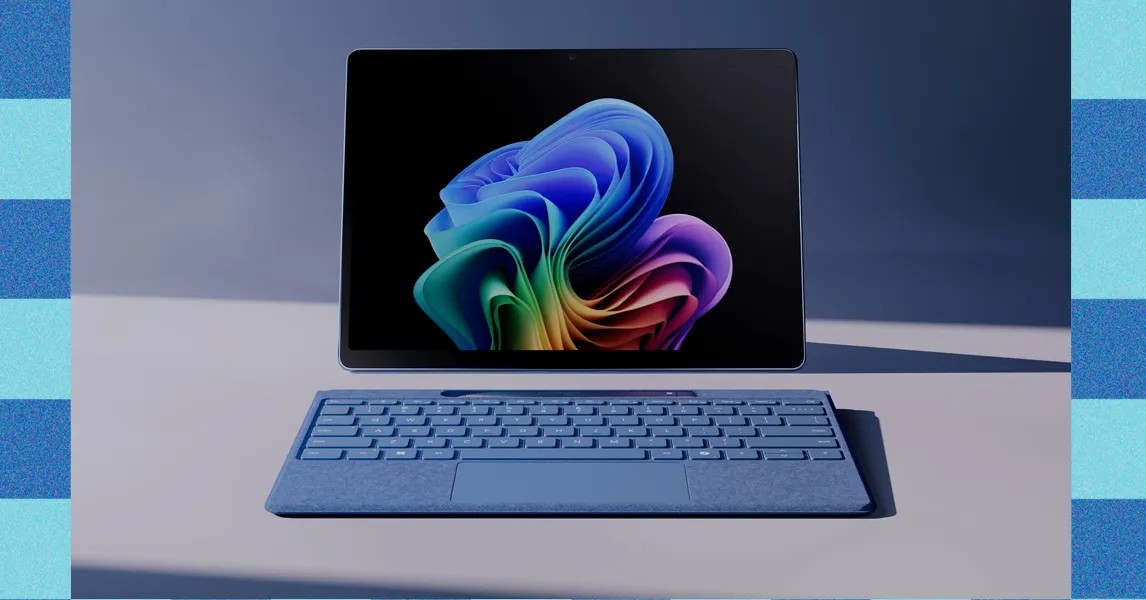
Microsoft’s product line is a maze. Tablets that act like laptops, laptops that are basically just tablets. Confusing enough, they recently dumped fresh updates onto the Surface Laptop and Surface Pro stages.
The result? Pickling difficulty.
Those 2024 launches were stars. They stuck around because they were good machines, especially when the price dropped. Now, though, we have the Surface Laptop 8th Gen and the Surface Pro 12th Gen (yes, really—different from the Pro 12). They carry new Snapdragon X2 silicon. They also carry heavy prices. That’s a problem.
Here’s where to land.
Updated July 2026: Notes on the 8th Gen/12th Gen announcements and the ghost-like lack of review units added. Also a nod to the upcoming Surface Laptop Ultra.
Best for Most People
The 7th Edition Surface Laptop (Still the King)
After years of tiny, boring updates, the Surface Laptop 7th Edition arrived in 2024 and fixed a lot. It is still the best thing you can buy in this family. Think of it as the Windows answer to the MacBook Air.
It is not thinner than the Air. It does not need to be.
The build quality screams Apple-level polish. You get a choice of screen sizes: 13.8 inches or 15 inches. The smaller one got slightly bigger than its predecessor, with thinner borders and corners that curve. It’s brighter. It refreshes at 120-Hz. Content pops, even outside, though direct sunlight still requires you to push brightness to the max.
My favorite trick? The aspect ratio.
It’s 3:2. Not 16:10. This makes the screen taller. Closer to a square. More room for code, spreadsheets, webpages. If you can only choose once, take the 3:2. Full HD webcam. Haptic trackpad. A keyboard that clicks just right. These compete directly with Apple’s best hardware.
But looks mean nothing without power.
Powered by Snapdragon X Elite or X Plus processors, these machines lead the pack for efficiency. I used the Elite version. Performance remained smooth under heavy tab loads. Don’t expect to edit 4K video or run heavy games here, but for daily driving, it is flawless. Battery life? Excellent.
Here is the kicker. The price used to drop below $1,000 in 2025. It recently crept up to $1,50MS. But you can still find discounts, like the 512-GB version for $1,20MS.
The new 8th Edition starts at $1,60MS.
Why buy it? New Snapdragon X2 chips. New colors. That is it.
The base specs stay identical. 512GB storage. 16GB RAM. I have seen Asus hike prices for the X2 upgrade on their Zenbooks too. Graphics performance improves slightly. But is it worth spending an extra grand? Hard to sell.
While the 7th Gen is on shelves at a discount, grab that. The 8th Gen can wait.
Specs: Qualcomm Snapdragon X Elite/Plus. 16–64 GB RAM. 512 GB–1 TB storage. 13.8” or 15” IPS display. 120Hz.
Best 2-in-1
Surface Pro 13
If you want the classic Microsoft experience, take the Surface Pro 13. It pairs a tablet with a kickstand to a detachable keyboard. Same USB-C ports as before. Same Surface Connect port for charging.
Awkward on a lap? Yes.
Perfect on a desk? With the Flex Keyboard, absolutely. You can separate the screen from the keys to create more workspace. It competes directly with the iPad Pro.
Old Intel chips ruined the reputation of earlier models. The Snapdragon switch fixes this. Choose the X Elite or X Plus variant. The Elite option comes with OLED screens, allowing you to plug in up to three external 4K monitors.
My unit had an X Elite processor. Microsoft promised double the performance at a third the power compared to old chips. I measured only a 6% boost over the Core Ultra 7. Graphics performance? Basically identical to older integrated Intel chips. Not for gaming.
But battery life changes everything.
I watched YouTube on full brightness. It lasted 15+ hours. That beats Microsoft’s claim of 14. It more than doubles the lifespan of the old Pro X.
The price hurts, but discounts help. Keep in mind you must buy the keyboard separately. You must buy the pen separately. It is a package deal for Windows tablets that feels surprisingly complete.
Specs: Snapdragon X Elite. 16 GB RAM. 512–1 TB SSD. 13” IPS or OLED.
Best Budget Choice
Surface Pro 12
The smaller option. The Surface Pro 12 keeps the premium look while stripping away features to hit a lower price. It runs the X Plus chip, but with two cores removed. Display and webcam see minor cuts.
I accepted the cuts. I could not accept the launch pricing.
Microsoft tried to push this device under the 13-inch Pro, pulling older low-end configurations of the flagship off the market to protect its slot. Third-party sellers kept those older models cheap ($80MS for 256GB). At launch, buying the “new” Pro 12 made no sense. The flagship was better in every way and more repairable.
Prices settled since then. You cannot always snag the old flagship for dirt cheap anymore. That makes the Pro 12 a legitimate, affordable Windows device again.
Caveats exist. There is no power adapter included. You need to fork out $70MS just for the brick. The keyboard costs extra. The pen costs extra. Do the math.
Specs: Snapdragon X Plus. 16 GB RAM. 256 GB SSD. 12” IPS display (2196×1464).
Should You Buy the 2026 Models?
A Lot of Hype. Zero Reviews.
I am hesitant on the new Surface Laptop 8 and Pro 12 for the standard reasons. Generational upgrades. Huge price jumps.
The bigger issue? Microsoft is not sending them to reviewers.
I rely on testing before recommending. A company spokesperson confirmed that media outlets will not get units to review. This is unusual. High-end laptops from major brands typically get press coverage. It does not prove the device is bad, but it suggests confidence in a different market or, frankly, something to hide.
I will wait for user data before changing this advice.
Waiting for the “Ultra”
Two years have passed since the original Snapdragon X launch. I still recommend those older devices, but they are aging out of inventory. Discounts make today a smart time to act.
Microsoft announced the Snapdragon X2 last fall. That is the silicon in the new Laptops and Pros.
Then came the Surface Laptop Ultra. Teamed with Nvidia. Featuring the RTX Spark platform. This aims at power users. At MacBook Pro users. Expect a premium price. But it looks promising.
Laptop or Tablet?
Choose carefully.
Laptops (Clamshells) : Simple. Versatile. Target MacBook Air buyers. The screen always works. Most comfortable. Most people should choose this.
Tablets (2-in-1) : Portable. Versatile on paper. In practice, Windows struggles with touch-only usage. No touch-friendly ecosystem like iOS exists. You will likely use it with a keyboard, meaning you are carrying a heavy tablet everywhere just to get laptop functionality.
The Nuisance of Accessories and Specs
Let us be clear. Buy a Surface Pro? You need a keyboard. Windows navigation is clumsy on touch alone.
Ports vary by model. High-end units get Thunderbolt 4. The Pro lineup dropped the Surface Connect port in new smaller sizes but retained USB-C. However, Pro users lose the headphone jack. And USB-A. You carry adapters. The Surface Laptop keeps USB-A, which feels more thoughtful.
Processor architecture matters. Most modern Surfaces use ARM chips from Qualcomm, not Intel or AMD x86 chips. Microsoft and Qualcomm improved app emulation drastically. Most native apps run well.
Niche software still lags. Always verify your essential applications support ARM native binaries. If you use obscure industry-specific tools, this is your bottleneck.
The Warranty Question
Accidents happen. Microsoft Complete costs $99. You get accidental damage coverage, two claims per deductible period. Microsoft handles screen cracks and spills.
Buy it at checkout, or wait 45 days post-purchase. Call support, use the Surface App. If you are clumsy with gadgets, it is a small tax.
“The real kicker is compatibility, not specs. Verify your workflow fits the ARM ecosystem first.”
Do you need to rush? Not really. The 7th Generation models hold up. They are cheap enough now to be irresistible. The 2026 lineup looks flashy on paper, expensive in practice, and strangely opaque on quality.


