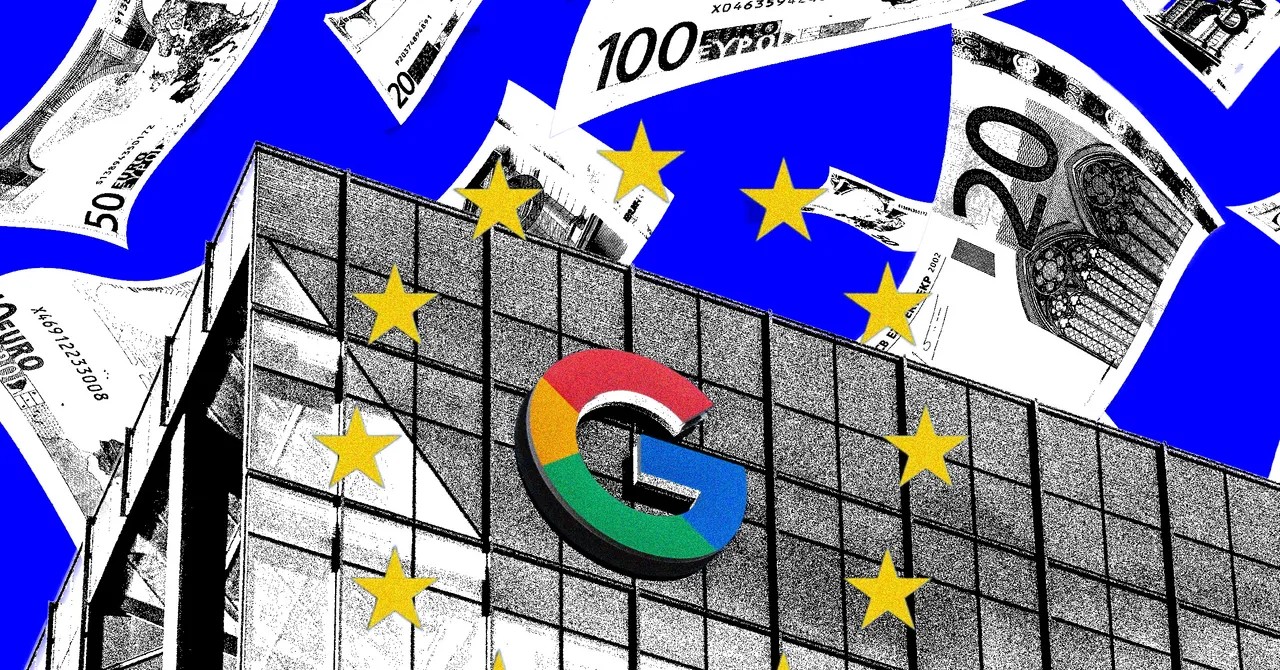
Europe wants a slice of the action. The EU just slapped Google with a $1 billion fine. The charge? Prioritizing its own shopping services in search results. It’s not the first time, but the number stings. Meanwhile, top Google security staff are raising alarms. They say new EU pro-competition rules could open Google Search and Android systems up to hackers. Privacy flaws? Potential security nightmare.
Across the Atlantic, the vibes are different. San Francisco isn’t messing around with AI-generated nudity. The City Attorney’s Office sent cease-and-desist letters to Apple and Google this week. The demand: delete the apps. There are 13 specific “face-swap” apps targeted. They are overwhelmingly used to target women and girls, the city claims. The goal is simple. Stop profiting from non-consensual intimate imagery. It’s a stand for digital safety, but is it enough? Probably not.
Then there’s the corporate structure of Polymarket. It’s a mystery. Even former employees don’t get it. The prediction market operates out of Panama. Odd? Sure. But consider that the CEO recently had his apartment raided by the FBI. In the crypto/prediction world, opacity often equals risk.
How People in China Keep Outsmarting AI Restrictions
Geographic blocks are hard. Very hard. Especially for Anthropic. But users in China keep finding loopholes. Access to Claude is tightening, yet the workarounds are evolving fast. Proxy services. Fake identities sourced from Telegram groups. It’s an arms race between a US tech giant and Chinese users with nothing to lose.
The continent of Europe is fed up. It wants its own AI. Can it build a top-tier model? Maybe not. The infrastructure isn’t quite there yet. But Europe has a weird advantage: Donald Trump. His policies are pushing the world elsewhere. Europe can fill the vacuum if it moves fast enough.
OnePlus is effectively dead in the West. The “Flagship-Killer” brand that disrupted the market 13 years ago is packing it in. The original phone was cheap. High-end specs. No bloatware. It worked. Now, OnePlus is exiting North America and Europe. The focus is shifting entirely to China. The global disruptor has been acquired by the establishment it tried to undermine.
“Europe’s pro-competition proposals could see systems opened up… The company claims there are serious privacy flaws.”
Your period tracker is likely spying on you. And that’s just one of the headaches. Russian cyberspies are turning to infrastructure hacking. The DHS repeatedly failed to realize it’d been hacked. A breach exposed how an AI music generator scrapes data. The list goes on. It’s messy. It’s ugly.
Meta’s legal battle with the author of “The Careless People” is relentless. And self-defeating. Yes, Sarah Wynn-Williams broke her silence deal. But Meta’s bullying tactic backfires. The power disparity is clear. They look like a heartless machine, not a victim.
GLP-1s—those weight loss drugs—are everywhere now. You can buy them online. Just about anyone. It’s the “Temu experience of telehealth.” Grindr. MAGA influencers. Virtual clinics. Everyone is selling weight loss drugs. The barrier to entry is lower than it has ever been. Is it safe? Debatable. Is it accessible? Yes.
An ebike company was sued. Misleading info on safety was the charge. The brand is Aipas. Several Chinese businesses associated with it settled with Amazon and safety certification company UL in July. It points to a bigger problem. Regulation is lagging behind innovation. Or vice versa.
Finally, consider the worst-case scenario. What happens if China hacks the US water supply? I went to a secret war game to find out. The results were… dark. Burst water mains. Evacuated hospitals. Insurers played out their response to mass disruption by China’s Volt Typhoon hacking group. They found a nightmare. And that’s just a simulation. The real thing? Nobody wants to watch.