
Turkey sits on a geological map that looks less like a spreadsheet and more like a treasure chest. The country is rich in mineral resources. Some of these raw materials are exported directly. Others undergo heavy processing before leaving the country. This distinction matters. It changes the profit margins. It changes the jobs created. It changes how much value stays within the local economy.
We looked at the data. We filtered out the noise. Here is what actually comes out of the ground in Türkiye.
The Boron Monopoly
Let’s start with boron. It sounds like a cleaning product. It is not. It is a strategic industrial ingredient.
Türkiye holds roughly 70% of the world’s known boron reserves. That is not a typo. That is a geopolitical advantage that countries in Washington, Brussels, and Beijing are watching closely. You need boron for glass, ceramics, and yes, nuclear reactors. When you control that much supply, you control leverage.
Most of this is mined in the west of the country. The deposits are near the surface. That makes extraction cheaper. But it also means environmental regulations hit harder here.
Gold: The High-Value Export
Gold is the headline act. Mining companies in Türkiye have ramped up production significantly over the last decade. The Kırkeze and Çöpler mines in the east are major contributors. These are not small-scale operations. They are massive, industrial-scale digs.
Why does this matter for your wallet? Or for the country’s trade balance? Gold is a hedge. It doesn’t rust. It doesn’t expire. When the lira weakens, gold often steps in to stabilize the broader economic picture. But mining gold is expensive. It requires water. It requires energy. The trade-off is clear: high financial reward, high environmental cost.
Lignite: The Domestic Workhorse
You might not hear about lignite. You feel it. It is brown coal. It is low energy density. It is dirty. But it is everywhere in Türkiye.
The country uses lignite primarily for electricity generation. It is a domestic fuel source. This matters because it reduces reliance on imported natural gas. Importing gas exposes the economy to global price shocks. Burning local lignite does not.
The trade-off is air quality. Lignite is polluting. As global standards tighten, this source becomes less attractive. But right now, it keeps the lights on cheaply. That is a short-term win with a long-term liability.
Iron Ore and Steel
Iron ore is the backbone of construction. Türkiye has significant deposits. These feed the domestic steel industry. The country is one of the largest steel producers in Europe and the Middle East.
This creates a vertical integration story. We mine the ore. We smelt the steel. We build the bridges and the skyscrapers. It keeps jobs local. It keeps the supply chain short. But it also ties the health of the mining sector directly to the health of the construction industry. If building slows down, mining slows down.
The Export vs. Processing Dilemma
The original report highlighted a key trend: some minerals are exported raw. Others are processed.
Why does this split exist?
It comes down to infrastructure and expertise. Exporting raw materials is easy. You dig it
Turkey’s Iron Ore: Where It Comes From and Where It Goes
Iron is everywhere in the modern economy. It is the backbone of heavy industry. Without it, infrastructure as we know it would not exist. But not all iron ore is created equal. In Turkey, the story of iron starts in the ground and ends in massive steel mills.
The geography of extraction is specific. You won’t find this ore just anywhere. Major deposits are concentrated in distinct regions. Sivas hosts significant reserves at Divriği and Gürün. To the east, Malatya contributes with the Hekimhan and Hasan Çelebi fields. Sakarya’s Çam Dağı is another key producer.
The Balıkesir and Aegean Connections
The western part of the country holds its own weight in the supply chain. Balıkesir is a heavy hitter here. The mines stretch from Edremit and Havran to Eymir, Ayvalık, and Ayazmant. Further south, Izmir’s Torbalı district adds to the volume. These aren’t just small pits; they are industrial-scale operations feeding a hungry market.
But the distribution doesn’t stop there. The central and eastern zones are equally active. Kütahya’s Simav region, Hatay’s Kırıkhan and Payas, and the provinces of Bingöl, Kahramanmaraş, and Düzce all produce raw material. Eastern Anatolia contributes its share as well. The map of Turkish iron ore is fragmented but robust.
Processing the Raw Material
Mining is only half the battle. The real value is added during processing. Where does this raw ore go? It travels to three major hubs. Karabük, Ereğli, and İskenderun. These cities host the country’s primary iron and steel factories.
The logistics matter. Getting ore from a mine in Sivas to a blast furnace in Karabük requires careful planning. The ore is processed into steel. That steel then becomes cars, buildings, and machinery. The link between the mine and the mill is tight. There is no middleman for the physical material. It goes straight from the earth to the factory floor.
Why Location Matters
Proximity to processing centers reduces costs. If a mine is too far from Karabük or Ereğli, the margins shrink. Transportation eats into profit. This is why the clustering of mines in specific provinces is not accidental. It is economic necessity.
The diversity of sources also provides stability. If one region faces logistical issues, others can compensate. Sivas, Malatya, and Izmir each have their own output profiles. This spread mitigates risk for the steel industry.
The Bottom Line for Investors and Industry
Iron remains a fundamental commodity. Its price fluctuations affect everything from construction to manufacturing. Understanding the supply chain in Turkey means looking at these specific regions. Divriği, Hekimhan, Çam Dağı—these names are not just geography. They are nodes in a critical industrial network.
The steel mills in Karabük, Ereğli, and İskenderun are the endpoint. They consume the raw material and transform it. The efficiency of this system depends on consistent supply from these diverse locations.
There is a rhythm to this industry. Dig it up. Move it. Melt it. Shape it. Repeat. It is not glamorous.
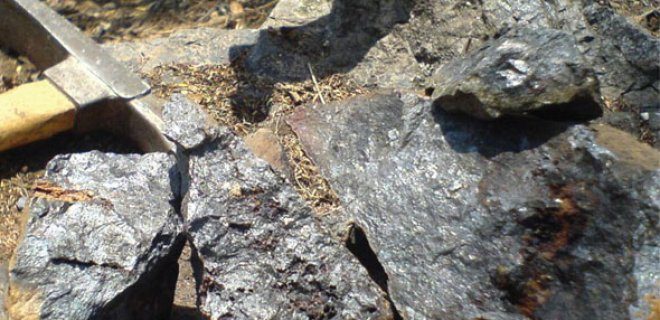
Chrome: The Rust-Proof Backbone of Heavy Industry
Chrome isn’t just a shiny coat on a bumper. It’s structural. It’s tough. The metal’s rigid, corrosion-resistant nature makes it non-negotiable for manufacturing coins and armored vehicles. If you’re exporting heavy machinery or military-grade equipment, chrome is likely sitting in your supply chain.
In Turkey, the geology is specific. You won’t find it everywhere. The extraction hubs are clustered in distinct regions.
- Elazığ: A major player, specifically Guleman.
- Muğla: The belt stretching from Fethiye and Milas down through Marmaris, Dalaman, and Köyceğiz.
- Denizli: Acıpayam.
- Bursa: Orhaneli.
- Other Key Sites: Kayseri, Eskişehir, Kütahya, Kahramanmaraş, and Adana’s Aladağ.
But digging it up is only half the battle. The raw ore needs processing. That’s where the ferrocrome facilities step in. The primary processing hubs are located in Antalya and Elazığ.
Why does this matter for your portfolio or supply chain decisions? Because the concentration of processing power in two specific provinces creates a bottleneck risk. If operations in Antalya or Elazığ stall, the entire downstream industry—from car parts to tank armor—feels the pinch. The location isn’t random. It’s tied to energy costs and logistics for heavy industrial smelting.
The trade-off is clear. You have abundant raw material spread across multiple provinces, but the value-add happens in very specific industrial zones. That’s where the leverage lies.
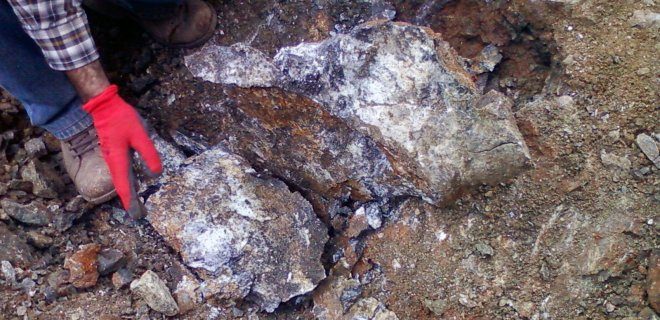
Copper: The Unsung Hero of the Grid and Your Kitchen
Copper remains the gold standard for conductivity, a fact that hasn’t changed despite decades of material science breakthroughs. It’s not just about electricity, though. You’ll find it in electronic components and, surprisingly enough, in specific kitchenware. The metal’s thermal properties make it ideal for cooking surfaces where even heat distribution matters.
In Turkey, the extraction landscape is fragmented but geographically distinct. The mines aren’t scattered randomly. They cluster in regions with specific geological histories.
Where the Metal Comes From
The primary sources of raw copper ore are concentrated in four key provinces:
- Artvin (Murgul)
- Kastamonu (Küre)
- Elazığ (Ergani-Maden)
- Rize (Çayeli)
These aren’t just mining sites. They are the starting point for a complex processing chain. The ore doesn’t travel far before hitting a facility designed to separate the valuable metal from the rock.
Processing Facilities
The raw material from these mines feeds into specific industrial complexes. You won’t find all this processing happening in one massive mega-plant. Instead, it’s distributed:
- Ergani Copper Facilities : Located in Elazığ, tapping into the Ergani-Maden deposits.
- Murgul Copper Facilities : Serving the Artvin region.
- Samsun Black Sea Copper Facilities : An interesting outlier. While not directly mining in Samsun, it acts as a major processing hub, likely receiving ore transported from the eastern and northern mines.
The logistics of moving ore from remote mountainous regions to coastal or central processing hubs drive much of the infrastructure cost in copper mining.
This distribution model isn’t accidental. It reflects the geography of Turkey’s mineral deposits. The metal is heavy. Transporting raw ore is expensive. Processing locally where possible, or at designated hubs like Samsun, reduces the logistical burden before the refined copper hits the market.
The Trade-Off of Conductivity
Why copper? Aluminum is cheaper and lighter. Yet, copper still dominates high-performance applications. The reason is simple physics. Copper conducts electricity better than any other non-precious metal. It also resists corrosion better than iron. And it handles heat transfer efficiently, which is why you might see copper bottoms on high-end pots.
But there’s a catch. The supply chain is fragile. These Turkish facilities depend on consistent ore grades. If the Ergani mine produces lower-grade ore, the entire processing chain in Samsun or Murgul feels the pressure. Efficiency drops. Costs rise.
The market doesn’t always reward this stability. Prices fluctuate based on global demand, particularly from China and the US manufacturing sectors. Local miners don’t control the price. They control the volume and the quality. And right now, Turkey holds a significant chunk of that volume.
What This Means for the Supply Chain
For businesses relying on copper, understanding these specific sources matters. It’s not just about buying “copper.” It’s about knowing the provenance. Turkish copper, from Murgul or Küre, has a distinct profile. It’s often associated with specific purity levels and trace elements that affect how it behaves in downstream manufacturing.
If you’re sourcing materials, the distinction between ore from Ergani versus Çayeli might influence your decision. The
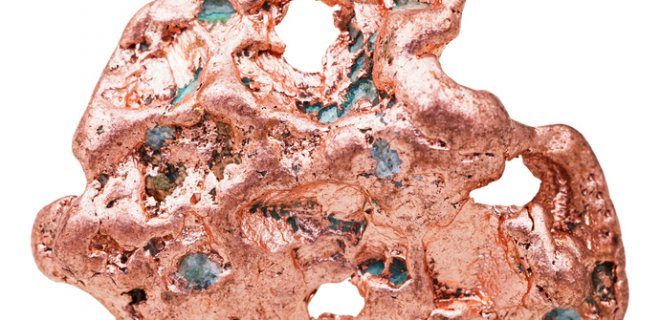
Turkey’s Dominance in Boron: Beyond the Nuclear Link
Turkey controls roughly 80% of global boron reserves. That is a staggering concentration of resources. It isn’t just a geological curiosity. It is a strategic pillar for the national industry. The applications are surprisingly diverse.
You might associate boron with high-tech defense. And you would be right. It plays a significant role in nuclear sectors. It features in jet and rocket fuels. But that is only the tip of the iceberg.
The mineral is embedded in everyday items. It strengthens glass. It improves detergents. It appears in soaps. You will find it in textiles, paper, and even photographic processes. Soldering alloys often rely on it. The utility is broad.
Where the Minerals Come From
The mining operations are clustered in specific regions. They are not scattered randomly. The primary hubs are located in western and northwestern Turkey.
Key extraction sites include:
- Bigadiç-Susurluk-Sultançayırı in Balıkesir
- Mustafakemalpaşa in Bursa
- Emet in Kütahya
- Seyitgazi in Eskişehir
These locations supply the raw material that feeds into both domestic manufacturing and export markets. The proximity of these mines to industrial centers reduces logistics costs. It keeps the supply chain relatively efficient compared to importing ores from distant countries.
Why This Matters for Investors
Understanding where the supply comes from is half the battle. The other half is knowing what the material does. Boron isn’t just an additive. It is a critical input for technologies that are scaling up.
Renewable energy technologies? They use boron. Semiconductors? They require it. The demand side is moving toward high-performance applications. The supply side is heavily concentrated in one country. This creates a unique dynamic.
If you are looking at commodities, this is one sector where geography dictates price. Not every mineral has such a lopsided distribution. Most metals are spread across multiple continents. Boron is not one of them.
“Turkey’s share of world boron reserves stands at approximately 80%.”
The implications are direct. Policies in Ankara can shift global prices. Supply chain disruptions in these specific provinces can ripple outward. It is a market where local events have global weight.
For businesses that use boron compounds, diversification isn’t just a buzzword. It is a risk management strategy. Relying on a single source region is risky. Especially when that region controls the majority of the supply.
The question isn’t just about how much boron exists. It is about how that concentration affects pricing power. And in an era where critical minerals are back in the spotlight, Turkey holds a significant card.
What happens if production slows? Or if regulations tighten? The downstream industries don’t have many short-term alternatives. That leverage matters. It shapes contracts. It shapes investment decisions.
It is a niche market. But a powerful one.
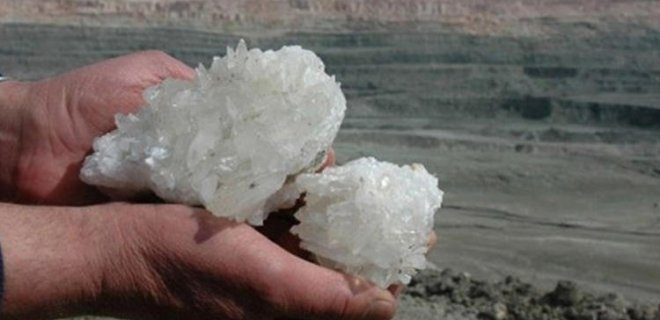
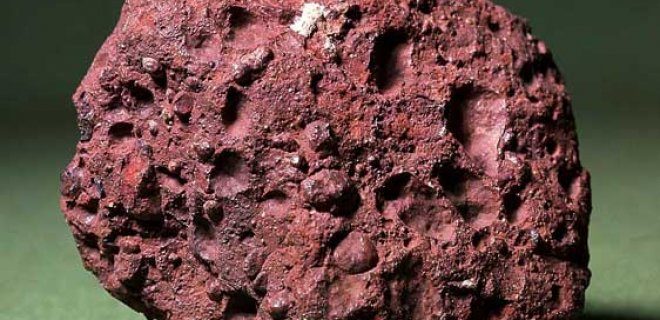
The Heavy Lift of Bauxite Mining
Bauxite is the unglamorous, muddy reality behind the sleek aluminum products we use every day. It is the raw material, the ore that must be crushed and processed to yield aluminum. Without it, the industry stops.
The appeal is structural efficiency. Aluminum is light. It does not rust. It is strong relative to its weight. This makes it the go-to choice for specific industries where mass matters. You see it in the skin of commercial aircraft. You find it in the bodies of modern cars. It shows up in household appliances and construction materials. The demand is driven by the need to move things faster and use less energy.
But you cannot just mine aluminum. You have to mine bauxite. Then you have to refine it through the Bayer process and smelt it. The supply chain is long.
In Turkey, the geology is set. The country has significant deposits. You do not find these mines scattered randomly. They are clustered in specific geological zones.
The major extraction sites are concentrated in three regions:
- Konya: The Seydişehir district holds substantial reserves.
- Antalya: Mining operations in Akseki feed the market.
- Adana: The Saimbeyli area is a key production hub.
- Muğla: The Milas region contributes to the national output.
These locations dictate logistics. Transport costs are a major factor in the final price of aluminum. If you are an investor or a business buyer, understanding where the ore comes from helps you gauge supply stability. These four locations are not just dots on a map. They are the source nodes for a significant portion of the country’s industrial input.
The price of aluminum tracks global energy costs, but the price of bauxite tracks local mining costs. When one of these sites faces regulatory hurdles or infrastructure issues, the ripple effect hits the manufacturer.
The Strategic Role of Sulfur in Modern Manufacturing
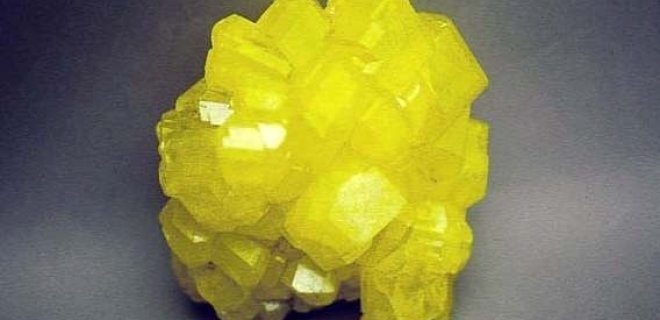
Sulfur is far more than a basic chemical element. It is an industrial workhorse. You see it in tires. It appears in paper production. It is essential for manufacturing explosives. But the agricultural sector relies on it too.
Farmers use sulfur-based compounds to create pesticides and fungicides. Crop protection is a massive market. Without sulfur, global food security would face significant hurdles.
Where Turkey Sources Its Supply
Turkey holds a dominant position in global sulfur reserves. The primary mining sites are concentrated in three specific regions.
- Keçiborlu (Isparta)
- Sarayköy (Denizli)
- Simav (Kütahya)
These locations are not just holes in the ground. They are strategic assets. The raw material extracted here feeds into a specialized processing ecosystem.
Processing and Refinement
Raw sulfur is useless to most industries in its natural state. It requires refinement. The bulk of Turkey’s mined sulfur is transported to Keçiborlu for processing.
This facility acts as a central hub. It converts raw deposits into high-purity sulfur products. Manufacturers then buy these refined materials. The supply chain moves from mine to processor to end-user.
Why This Matters for Investors and Buyers
The concentration of resources in Isparta, Denizli, and Kütahya creates a localized supply chain advantage. Transportation costs are lower. Quality control is tighter.
When you buy sulfur, you are buying a refined product. The origin matters. Knowing whether sulfur comes from Keçiborlu or another source helps you assess purity and consistency.
“Sulfur is a critical input for both agriculture and industry, making its supply chain resilience key for economic stability.”
The market for sulfur is steady. Demand from tire manufacturers is constant. Agricultural needs remain predictable. But geopolitical shifts can disrupt logistics.
Turkey’s domestic processing reduces reliance on imports. This is a hedge against global price volatility. For businesses sourcing materials, local procurement offers stability.
The question is whether this capacity can scale. Can Keçiborlu meet growing export demands? The infrastructure exists. The reserves are proven. The next move depends on capital investment.
Mercury Mining Sites and Industrial Uses in Turkey
Mercury is an unusual element. It is the only metal that exists in a liquid state naturally. People have used it for centuries. Doctors used it in thermometers. Photographers relied on it. The metal industry depends on it. It is heavy. It is toxic. It demands respect.
Turkey has significant reserves of this heavy metal. The extraction happens in specific geological zones. These locations are not random. They are tied to ancient volcanic activity and hydrothermal deposits.
The mining regions are spread across several provinces. İzmir is a major hub. The Ödemiş-Karaburun belt produces substantial amounts. Konya also plays a role. The Sarayönü district holds active mines. Niğde in central Anatolia contributes to the supply chain. Uşak is another key location. The Banaz district has seen consistent output. Balıkesir rounds out the list. The Gönen region has its own deposits.
These sites supply the domestic market and potentially export markets. The extraction process is hazardous. Workers face health risks. Environmental regulations are strict. Mercury vapor is invisible. It causes severe neurological damage.
Why do we still mine it? The uses are niche but essential. Some industrial processes cannot replace it easily. The demand is steady. The supply is limited to specific geographic areas. Turkey’s positions in İzmir, Konya, Niğde, Uşak, and Balıkesir give it a strategic advantage in this volatile commodity.
The balance between economic gain and health safety is tight. Monitoring is required at every site. The future of mercury mining depends on regulation. Innovation in safer alternatives may reduce demand. But for now, the mines in these Turkish regions remain active.
The story of mercury is one of utility and danger. It flows like water. It sticks to everything. It stays in the body. The miners know this. The regulators watch closely. The market fluctuates.
Who benefits from this extraction? Local economies gain jobs. National revenue increases. But the cost is measured in health metrics. It is a complex trade-off.
The landscape changes. Some mines close. New ones open. The geology remains the same. The metal remains liquid. It waits to be used. It waits to be regulated.
Phosphate: The Hidden Engine Behind Global Fertilizer Supply
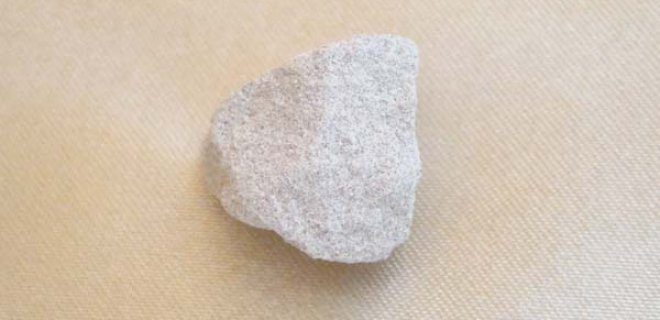
Phosphate isn’t just a chemical footnote. It’s the backbone of modern agriculture. Without it, the yield per hectare would plummet. The primary use? Manufacturing artificial fertilizers. That’s the whole story.
In Turkey, the extraction happens in two specific locations. Mazıdağı, in Mardin province. And Kilis. These aren’t random picks. The geology here is rich.
Processing is centralized. Mazıdağı phosphate factories handle the heavy lifting. Raw ore goes in. Processed material comes out. The supply chain is tight. Geographically concentrated.
“Phosphate is critical for crop growth, yet its supply chain is heavily localized.”
Why does this matter to your portfolio? Agriculture stocks. Food security. And the volatility of commodity prices. When fertilizer costs rise, food costs follow. It’s a direct correlation.
Investors often overlook domestic resource plays. But local extraction means local control. Less exposure to international shipping disruptions. More stability. Or so the theory goes.
The reality is messier. Environmental regulations. Water usage. Community impact. These are the real costs. Not just the price per ton of phosphate rock.
Which leads to the next question. Who benefits from the markup? The processors? The farmers? Or the end consumers?
The chain is long. And fragile.
Lead and Zinc: The Industrial Pair
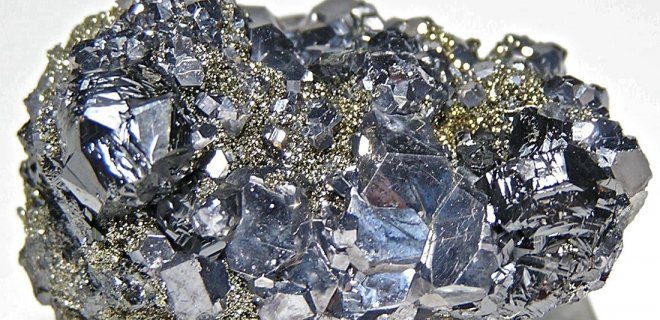
Lead and zinc don’t usually show up alone. They hang out together. If you’re looking at industrial metals, this pair is essential.
Zinc drives the automotive sector. It powers electrical components. You need it for hardware that doesn’t rust away in a week.
Lead has a specific niche. It builds batteries. That’s the big one. Every time your car starts, lead is likely working hard inside.
There’s another use though. Underground communication cables. They need insulation. Lead provides it. It protects the signal from the damp earth.
Where do we find these metals? In Turkey, the deposits are scattered. You’ve got Rize. Specifically Çayeli. Then there’s Tirebolu in Artvin.
The list goes on. Balıkesir. İzmir. Kütahya’s Emet. Kayseri. Elazığ’s Keban.
It’s not just about digging them up. It’s about knowing where they sit in the ground. And what they’re used for once they’re out.
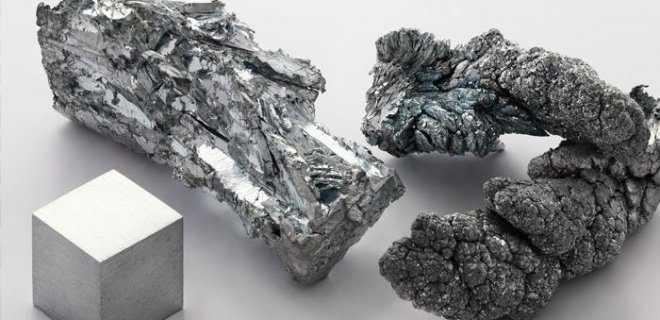
Why Manganese Matters to the Steel Industry
Manganese rarely gets the spotlight, yet it is the quiet workhorse behind modern steel production. You won’t find pure manganese in most consumer goods, but it is deeply embedded in the structural integrity of everything from bridges to car frames. Its primary function is industrial. It is used heavily in alloys to boost durability and resist wear.
The relationship between manganese and steel is non-negotiable for many manufacturers. In stainless steel production, it acts as a crucial alloying agent. Without it, the metal lacks the toughness required for heavy-duty applications. It helps deoxidize the steel and prevents brittleness during the manufacturing process. The result is a material that can withstand stress without cracking.
Domestic Mining Operations
Turkey holds significant reserves of this essential metal. The extraction is not centralized in one massive site but spread across specific geological regions. The major mining operations are concentrated in three distinct locations:
- Ereğli in Zonguldak : A historic industrial hub on the Black Sea coast.
- Borçka in Artvin : Located in the far northeast, near the Georgian border.
- Tavas in Denizli : Situated in the Aegean region, known for its broader mineral wealth.
These sites supply the domestic market and contribute to global supply chains. The distribution across different provinces reduces reliance on any single geographic zone, though logistics can still pose challenges. For investors or industry watchers, understanding these specific locations provides insight into supply chain resilience. The presence in Zonguldak, Artvin, and Denizli means that local economic factors and political stability in these regions directly impact manganese availability.
The Trade-Off in Alloying
Using manganese is not without its complexities. It changes the physical properties of steel in predictable ways. It increases tensile strength. It improves hardenability. But it also affects how the metal reacts to heat. Manufacturers must balance the manganese content carefully. Too little, and the steel is weak. Too much, and it becomes difficult to work with during fabrication.
This precision is why knowing the source matters. The quality of the ore from Ereğli or Borçka can vary. Geologists monitor these deposits closely to ensure consistency. For businesses buying steel products, understanding this upstream process explains why prices fluctuate. It is not just about global demand. It is about the physical reality of mining in specific Turkish provinces. The metal is there. The question is how efficiently it can be extracted and refined for use in high-stakes industrial applications.
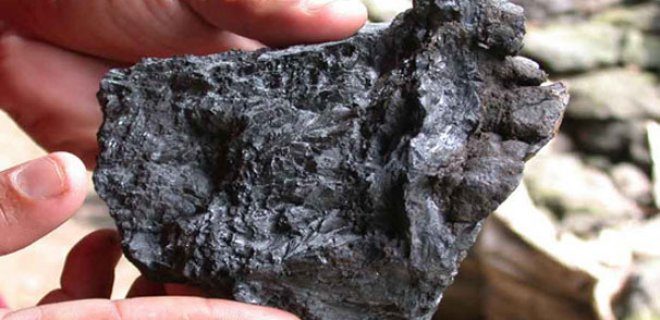
Türkiye’nin maden haritası sadece altın ve demir cevherinden ibaret değil. Ülkenin jeolojik zenginliği çok daha geniş bir yelpazeye sahip. Çeşitli endüstriyel ve stratejik hammaddeler de yeraltından çıkarılıyor.
İşte Türkiye’de çıkarılan diğer önemli madenler:
- Volfram (Tungsten): Kritik bir stratejik metal.
- Antimon: Yanmaz malzeme ve pil üretiminde kullanılır.
- Zımpara Taşı: Doğal sürtünme malzemesi.
- Uranyum: Nükleer enerji potansiyeli taşıyan radyoaktif element.
- Mermer: İnşaat ve dekorasyon sektörünün vazgeçilmezi.
- Tuz (Halit): Sofra tuzundan sanayi tuzuna kadar geniş kullanım alanı.
- Taş Kömürü: Enerji üretimi ve çelik sanayinde hammadde.
- Linyit: Türkiye’nin en yaygın enerji kaynağı.
- Asbest: Tarihsel olarak inşaat ve yalıtım malzemesi.
- Titanyum Mineralleri: Havacılık ve beyaz eşya sanayisi için değerli.
- Sodyum Sülfat: Kimya sanayinde kullanılan tuz.
- Mika: Elektrik yalıtkanı olarak önemli bir silikat mineralleri.
Bu liste sadece bir önizleme. Zengin ve çeşitli maden potansiyeli hakkında daha fazla detay için önerilen içeriğe göz atabilirsiniz.
Türkiye’nin maden zenginliği sadece değerli metallere değil, endüstriyel hammaddelere ve enerji kaynaklarına da dayanır.
Madencilik sektörü Türkiye ekonomisinde önemli bir yer tutuyor. Ancak her madenin çıkarılması ve işlenmesi farklı teknik ve çevresel süreçler gerektirir. Örneğin linyit, termik santrallerin temel yakıtıyken; mermer, mimari estetik ve dayanıklılığıyla öne çıkar. Stratejik metaller olan volfram ve antimon ise savunma ve teknoloji sektörleri için hayati önem taşıyor.
Bu çeşitlilik, ülkenin dışa bağımlılığını azaltma potansiyelini artırıyor. Yerli kaynakların değerlendirilmesi, sürdürülebilir kalkınma stratejileriyle birleştirildiğinde uzun vadeli faydalar sağlayabilir.
The Mechanics of Digital Ownership
The crypto winter didn’t just cool the market. It changed the rules of the game. Early adopters are still here, but they’re playing a different sport. They aren’t chasing pumps. They’re building infrastructure.
This is where non-fungible tokens (NFTs) stopped being a joke and started being a tool.
Back in 2021, an NFT was a JPEG of an ape. You bought it to hold it. Or to flip it. The utility was social status. That phase is over. The current wave is about verifiable ownership in a digital sense. It’s not about art. It’s about proof.
Consider the shift.
Platform Zora has emerged as a key player in this new landscape. Unlike OpenSea, which acts as a marketplace, Zora is a protocol. It allows creators to deploy their own NFT contracts without coding. The result? A democratization of minting.
“The barrier to entry for creating a digital asset has never been lower.”
This matters for investors. It means supply is infinite, but demand is finite. The old model of scarcity is dead. The new model is attention.
Why Metadata Matters
You can’t evaluate these assets without looking under the hood.
Traditional NFTs store metadata on centralized servers. If that server goes down, your art goes with it. The new generation uses decentralized storage. Think IPFS (InterPlanetary File System). Or Arweave.
Here’s the trade-off.
Decentralized storage is more reliable. It’s also more expensive. The cost to store a single image permanently can be several dollars. This filters out the noise. It’s not for the casual scalper. It’s for serious projects.
If you’re looking at a project, check where the data lives.
- Centralized: Cheap. Fragile.
- Decentralized: Expensive. Durable.
Most failing projects failed because they cut corners on storage. Their links broke. Their images vanished. Investors lost everything. The survivors are the ones who paid the premium.
The Rise of Creator Economy Protocols
Zora isn’t just a storage solution. It’s a distribution engine.
Creators can set up storefronts directly. They keep more revenue. The platform takes a small cut. This cuts out the middleman. Traditional galleries take 50%. Auction houses take 15-20%. A protocol takes 2.5%.
That margin is significant.
For an artist selling work for 0.5 ETH, saving 10% of the transaction fee is meaningful. For a high-volume seller, it’s transformative.
But there’s a catch.
No middleman means no discovery algorithm. You have to bring your own audience. The platform gives you the tools. You provide the marketing. This shifts the risk from the platform to the creator. It’s a pure meritocracy. And that’s terrifying for many.
Regulatory Whispers
The SEC is watching.
Last quarter, a major lawsuit was filed against a decentralized exchange. The logic? It’s a security. The implication is broad. If an NFT is deemed a security, it’s subject to strict regulations.
Most artists ignore this. They think it won’t apply to them.
They’re wrong.
If your