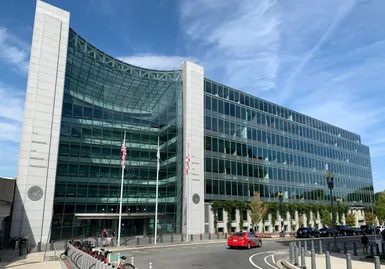
The Securities and Exchange Commission (SEC) didn’t just appear out of thin air. It was born from the wreckage of 1929. After the Senate Committee on Banking and Currency dug into the New York Stock Exchange’s operations, Congress established the commission in 1934. The goal was blunt: stop the misleading sales pitches and stock manipulations that crashed the market. Investor confidence had evaporated. The SEC’s job was to bring it back.
Restoring Trust Through Regulation
Before the SEC, trading was a free-for-all. The new rules changed the mechanics of buying and selling. You can’t buy stock on credit anymore. The SEC prohibited buying without adequate funds to actually pay for it. That simple change stopped the leverage-fueled speculation that helped trigger the Great Depression.
The commission also brought oversight to people who had operated in the shadows. Stockbrokers and securities markets had to register. They had to submit to supervision. If you wanted to operate in these markets, you answered to Washington, D.C.
The Rules of the Game
The SEC didn’t just watch. It wrote the playbook.
- Proxy Solicitation: The commission established strict rules for how companies solicit proxies. This prevents management from rigging shareholder votes behind closed doors.
- Insider Trading: The SEC prevents the unfair use of nonpublic information. If you know something the rest of the market doesn’t, you can’t trade on it. That’s a felony.
- Full Disclosure: This is the big one. A company offering securities must make full public disclosure of all relevant information. No hiding debt. No omitting risks. If it matters to an investor’s decision, it goes in the filing.
“The commission acts as an adviser to the court in corporate bankruptcy cases.”
Beyond the Trading Floor
Most people think of the SEC only in terms of tickers and trading floors. But its reach extends into the legal system. The commission acts as an adviser to the court in corporate bankruptcy cases. When a company collapses, the SEC steps in to ensure creditors and shareholders aren’t left in the dark about what really happened.
The 1929 crash was a failure of transparency. The SEC’s creation was a failure of trust. Today, the commission still wrestles with that same dynamic. Markets evolve. New products emerge. Old rules don’t always fit new realities. But the core mission remains the same.
Keep markets honest. Keep information public. Keep investors from getting burned by lies.
Does that work? Sometimes. The system isn’t perfect. Whispers of manipulation still slip through. New schemes adapt to old laws. But without the SEC, the landscape would be wilder. Darker. Less transparent.
Investors still have to do their own homework. The SEC provides the data. It doesn’t make the decisions. That part is still up to you.